
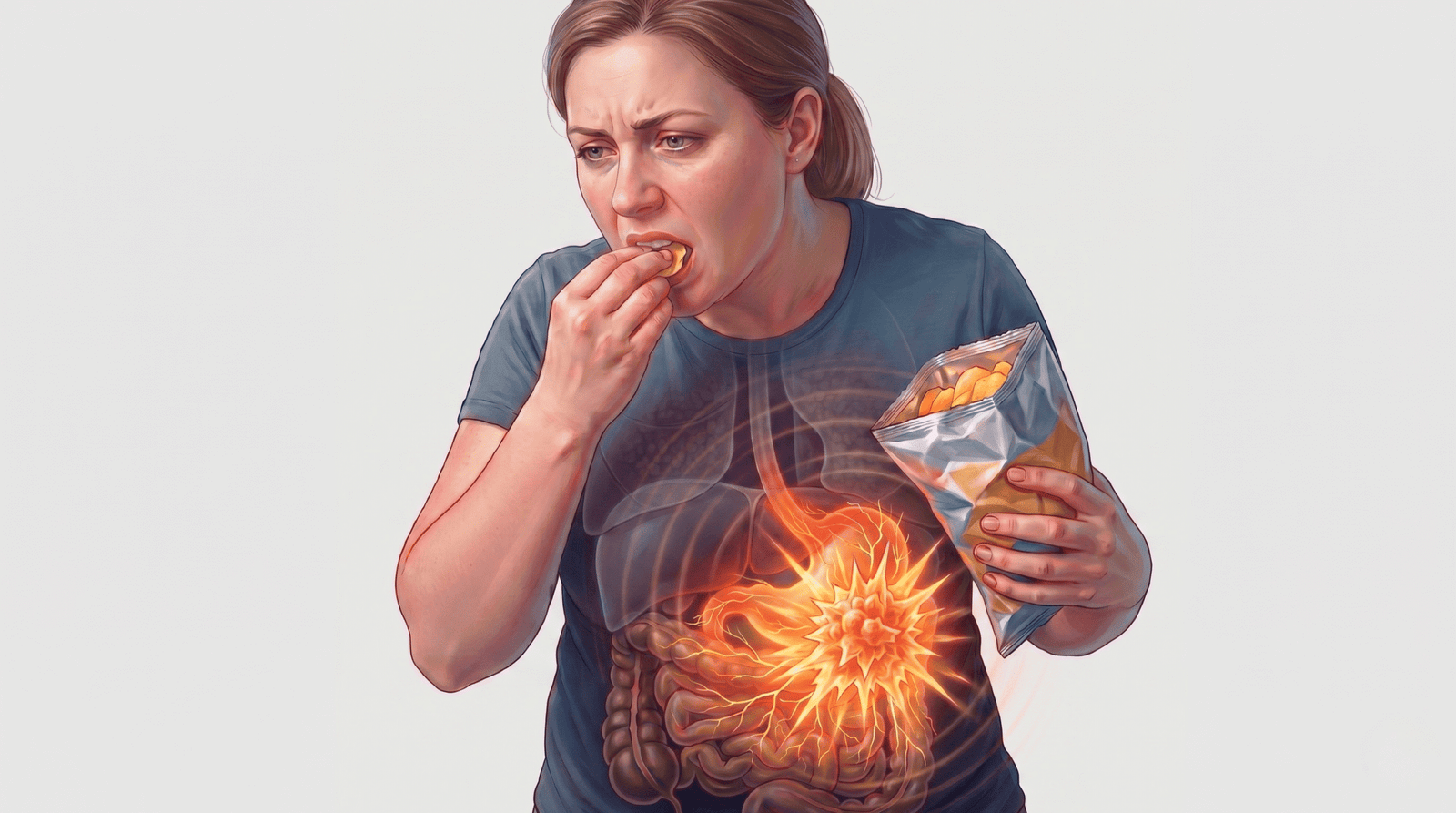


Did you know that about 40% of us will be diagnosed with cancer at some point in our lives? This is an amazing statistic. While it’s easy to think it’s all down to genetics or just bad luck, science tells a different story. Studies indicate that a large proportion of cancer cases – up to 40% in women and 57% in men – may be preventable. You can’t change your genes, but you can completely influence their behavior. One of the most powerful tools at your disposal is the food you eat every day.
Cancer is not just a genetic disease; It is also a metabolic and inflammatory disease. The environment inside your body — your hormone levels, the degree of inflammation, and the type of fuel your cells use — plays a crucial role. The problem is that many foods that seem natural or even healthy can create the exact conditions that cancer cells love. In this article, we’ll break down the specific foods that can shape this internal environment, explore the science behind how they support or slow cancer growth, and give you a simple framework for shifting your diet in a healthier direction, making it much more difficult for cancer cells to get a foothold. (Based on the vision of Dr. Leonid Kim)
Key takeaways
- Sugar is the main reason: Sugary drinks and ultra-processed foods create a metabolic environment that fuels cancer cell growth through high insulin and inflammation.
- Processing issues: The way food is processed and prepared can be just as important as the food itself. Processed meats and foods cooked at very high temperatures contain harmful and cancer-causing compounds.
- Salt can be harmful: Eating large amounts of highly salted and pickled foods is associated with an increased risk of stomach cancer by damaging the stomach lining.
- Red meat min: While processed meats present an obvious risk, the risk of unprocessed red meat is more complex and depends on your overall diet, especially the amount of fiber you eat.
- Fiber is your friend: Fiber is considered one of the most protective nutrients against some types of cancer, especially colon cancer, because it helps regulate blood sugar and supports gut health.
1. Sugar-sweetened drinks
One of the most underestimated cancer risk factors is the sugar you drink. We all know that soft drinks are on the list, but this category is much broader, including energy drinks, fruit juices, sweetened coffee, and boba tea. These drinks flood your bloodstream with massive amounts of sugar almost instantly.
Large population studies reveal a lot. Each additional 8-ounce glass of 100% fruit juice daily is associated with a 17% increased risk of breast cancer and a 30% increased risk of bile duct (gallbladder and bile duct) cancers. This is because of something called Warburg effect. Healthy cells use oxygen to generate energy efficiently. However, many cancer cells switch to a faster, less efficient process where they burn glucose (sugar) at an incredible rate. Think of them as an engine running at full speed, constantly requiring more fuel, and their preferred fuel is glucose. When you consume too much sugar, your body secretes hormones such as insulin and IGF-1. These act as growth signals, telling cells to divide. Cancer cells are very sensitive to these signals. Some breast cancer cells have 6 to 10 times more insulin receptors than normal cells. Chronically High levels of insulin Your cells are essentially flooded with growth signals, which can speed up the growth of any abnormal cells present. Liquid sugar is especially dangerous because it provides glucose without any fiber to slow it down.
2. Ultra-processed foods
Sugary drinks are just one piece of a much larger and more problematic puzzle: the rise of ultra-processed foods. These are industrial food products made mostly from refined ingredients rather than whole foods. Think packaged snacks, fast food, most breakfast cereals, frozen dinners, and processed desserts. They’re designed to be extra delicious, which means they taste so good it’s hard to stop eating them.
These foods create the perfect storm for cancer. For every 10% increase in your intake of ultra-processed foods, your overall cancer risk rises by 13%. to Colorectal cancer– It is the fastest growing cancer among young people – and this risk jumps by 30%. Why? First, they cause a rapid rise in blood sugar, which promotes a cancer-promoting insulin environment. Second, they promote chronic low-grade inflammation, which can weaken your immune system, which is your body’s first line of defense against cancer cells. Thirdly, add-ons such as Emulsionswhich is used to improve texture and shelf life, can damage the intestinal lining and disrupt a healthy gut microbiome. Finally, the more of these foods you eat, the less room you have for the protective, whole foods rich in fiber, vitamins and minerals your immune system needs to function properly.
3. Excessively salted and pickled foods
Some food preservation methods can also pose a risk. Highly salted or pickled foods have been linked to an increased risk of stomach cancer. High concentrations of salt can directly damage the stomach lining, leading to chronic inflammation. Over time, this repeated irritation makes the stomach more vulnerable to cancer-causing compounds. Studies show that people with high salt intake have a 68% higher risk of stomach cancer than those with low salt intake. Furthermore, some of these preserved foods contain compounds called nitrosamines, which are known to damage DNA. This is one reason why stomach cancer rates have historically been higher in areas where salty and preserved foods are a staple of the diet.
4. Processed meat
This category is getting a lot of attention, and for good reason. The link between processed meats — such as bacon, sausage, hot dogs and deli meats — and an increased risk of colorectal cancer is very strong. The International Agency for Research on Cancer (IARC) classifies processed meat as a Group 1 carcinogen, placing it in the same category as tobacco and asbestos. Each additional 2-ounce serving of processed meat daily increases the risk of colorectal cancer by approximately 23%.
The mechanism here is fairly straightforward. These foods often contain nitrites and nitrates used in processing and preservation. In the acidic environment of your stomach, these compounds can form nitrosamines, which are powerful carcinogens that damage your DNA. DNA damage is one of the first steps in the development of cancer.
5. Unprocessed red meat (and how to cook it)
This is where the conversation gets more nuanced. Unprocessed red meat is often combined with processed meat, but the data is very different. While observational studies show a link between red meat and colorectal cancer, the link is weaker. For this reason, the International Agency for Research on Cancer (IARC) classifies it as a Group 2A carcinogen, meaning it is “probably carcinogenic to humans.”
Discussion in the scientific community revolves around different types of studies. It is almost impossible to conduct a randomized controlled trial for cancer, which would require controlling people’s diets for decades. Therefore, we rely on observational studies, which follow large groups of people over time. These studies show patterns but cannot prove cause and effect, as people who eat more red meat may also have other lifestyle habits that increase their risk.
So, what’s the takeaway? It’s not just about the meat itself; It’s about what’s missing from the diet. If you eat more of one thing, you eat less of another. In many cases, red meat consumption replaces high-fiber foods. Fiber is one of the strongest protective factors against colon cancer. It feeds beneficial gut bacteria, which produce compounds like butyrate that reduce inflammation and support colon health. One fascinating study showed that when people ate 300 grams of red meat daily, markers of DNA damage in the colon increased. But when they added a form of fiber (resistant starch) to the diet, signs of DNA damage completely disappeared. This suggests that the effect of red meat depends largely on your overall diet. If you eat red meat once or twice a week along with plenty of high-fiber vegetables, the risk is likely small.
Finally, how you cook meat is very important. Grilling, frying or broiling meat at very high temperatures can lead to the formation of harmful compounds such as heterocyclic amines (HCAs) and polycyclic aromatic hydrocarbons (PAHs). Both are known to damage DNA. To minimize this, you can precook meat to reduce its simmering time, use marinades with herbs and vinegar, avoid sugary marinades that burn easily, and choose leaner cuts of meat.
conclusion
Navigating the world of nutrition and cancer risks can be stressful, but it doesn’t have to be. By focusing on reducing your intake of sugary drinks, ultra-processed foods, and processed meats, and being mindful of how red meat is consumed and prepared, you are taking powerful steps to create an internal environment that fights cancer. Remember to prioritize whole foods, especially those rich in fiber. Your daily food choices are one of the most important tools you can utilize to protect your long-term health.
source: Dr. Leonid Kim

