


When “Jurassic Park” actor Sam Neill died this week at age 78, his longtime agent confirmed the cause: pneumonia. Neil had recently overcome a lymphoma diagnosis with a newer treatment called CAR-T therapy — a detail his team specifically wanted the public to know, because it points to how someone can seem like they’ve been through the hardest part of the disease, only to be surprised by something as seemingly common as pneumonia.
This is a pattern that doctors continue to try to raise awareness about: Pneumonia doesn’t always look like the dramatic illness people make out with coughing and gasping. In older people especially, it can be easy to write off warning signs as something else entirely.
Key takeaways
- Pneumonia, a lung infection that fills the air sacs with fluid or pus, kills approximately 40,000 to 50,000 people in the United States each year.
- Classic symptoms include cough, fever, chills, and shortness of breath, but older people don’t get these symptoms at all.
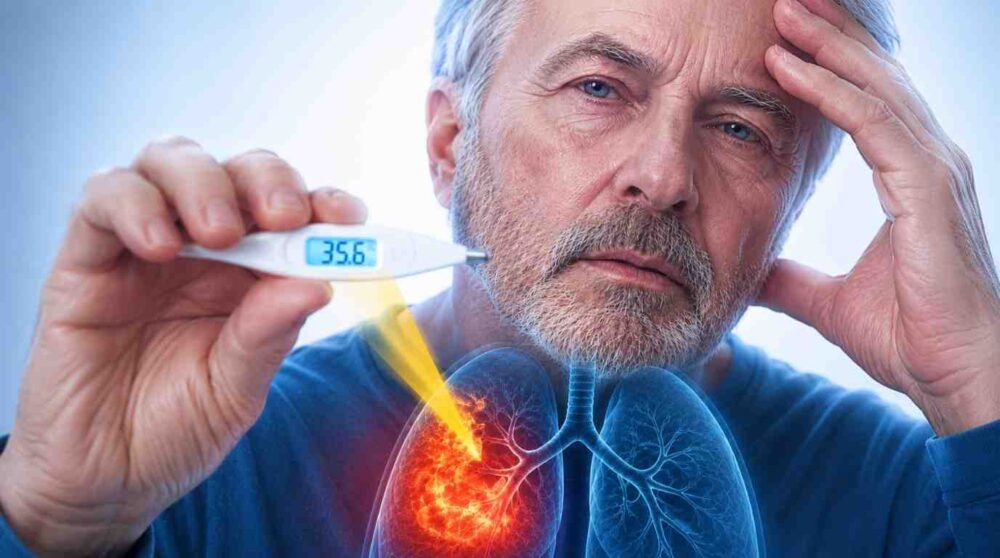
- In older people, confusion, unusual drowsiness, and a lower than normal body temperature can be the main (or only) signs.
- People recovering from cancer treatment, chemotherapy, or other immunosuppressive treatments are at significantly higher risk, even after the underlying condition is in remission.
- Pneumonia can turn into sepsis, a life-threatening complication, sometimes within days.
Why don’t the “obvious” symptoms always appear?
The symptoms that most people associate with pneumonia — a productive cough, high fever, and chest pain when breathing — are real symptoms, but they are the response of a young, healthy immune system to the infection. Older adults and anyone with a weakened immune system often don’t have the same response. According to the National Institutes of Health, older patients often skip fever and cough altogether, and instead show confusion or a change in mental acuity — something that families and even doctors can mistake for normal aging, dehydration, or an unrelated problem, delaying diagnosis at the point when early treatment is most important.
Other signs that are easy to miss include unusual fatigue or weakness that is out of proportion to how sick someone seems, loss of appetite, a faster than normal resting heart rate, and — contrary to what is expected — a lower than normal body temperature rather than a fever.
Why cancer survivors are especially at risk
Neil’s situation highlights a risk that is easy to overlook: Completing cancer treatment does not mean the risk has gone. Treatments such as chemotherapy and newer approaches such as CAR-T therapy work in part by suppressing or reprogramming the immune system, and this suppression can persist long after treatment. cancer He’s gone himself. A weakened immune system has difficulty fighting off the bacteria, viruses, or fungi that cause pneumonia, and it can also have difficulty with the symptoms that usually indicate infection appearing early — a double disadvantage at precisely the time when increased alertness is most important.
When it gets serious
Pneumonia can progress from a manageable infection to a life-threatening infection surprisingly quickly — sometimes within days, as happened with actress Diane Keaton, whose family confirmed bacterial pneumonia as the cause of her death last year. One of the biggest risks is sepsis, the body’s severe and destructive response to infection, which can lead to organ failure. Warning signs that need urgent medical attention include difficulty breathing or rapid breathing, bluish lips or face, sudden confusion, fever that doesn’t go away, or chest pain that worsens with breathing or coughing.
What to actually do
If you or an older family member has recently had a cold, flu, or respiratory infection that seems persistent or worsening, or is accompanied by new confusion, unusual fatigue, or rapid breathing, it’s worth calling your doctor rather than waiting — pneumonia is treatable, especially if caught early, but the margin of waiting narrows quickly in older or immunocompromised patients. It’s also a good idea to check with your doctor about whether you’re eligible for the pneumococcal vaccine, which can significantly reduce your risk of developing the more serious bacterial form of the disease.
Sources: NBC News, “Jurassic Park actor Sam Neill dies of pneumonia” (July 2026); National Institutes of Health, Pneumonia in the Elderly Guideline. Spectrum News 1, “Recent Celebrity Deaths Highlight Pneumonia Complications and Prevention” (June 2026).

