

by Nishita Shah
No two bodies are the same. No two beings are the same. This is the beauty of Ayurveda. A completely individual approach to the path of healing and wellness. This is why the Ayurvedic approach works. Even something as “simple” as pain has multiple paths to treatment protocols. You can feel Vata type pain, Pitta type pain, and Kapha type pain.
Another example is diabetes – did you know that there are 20 classifications of diabetes in Ayurveda? In allopathic medicine? Two main types. So, while many imbalances may seem similar on the surface, the course of treatment varies greatly from person to person.
This is where the Ayurvedic practitioner comes into play.
The importance of personalized treatment
When working with Ayurveda, the practitioner always tries to get to the root cause of the imbalance. Understanding the disease process or tradition It is a crucial element in understanding how and where imbalance moves and occurs. Furthermore, a critical eye is needed to understand imbalanced traits to create a supportive treatment protocol for this specific individual. As you can see, there is more to understanding how an individual stays in balance and transitions into imbalance than just putting a band-aid on symptoms.
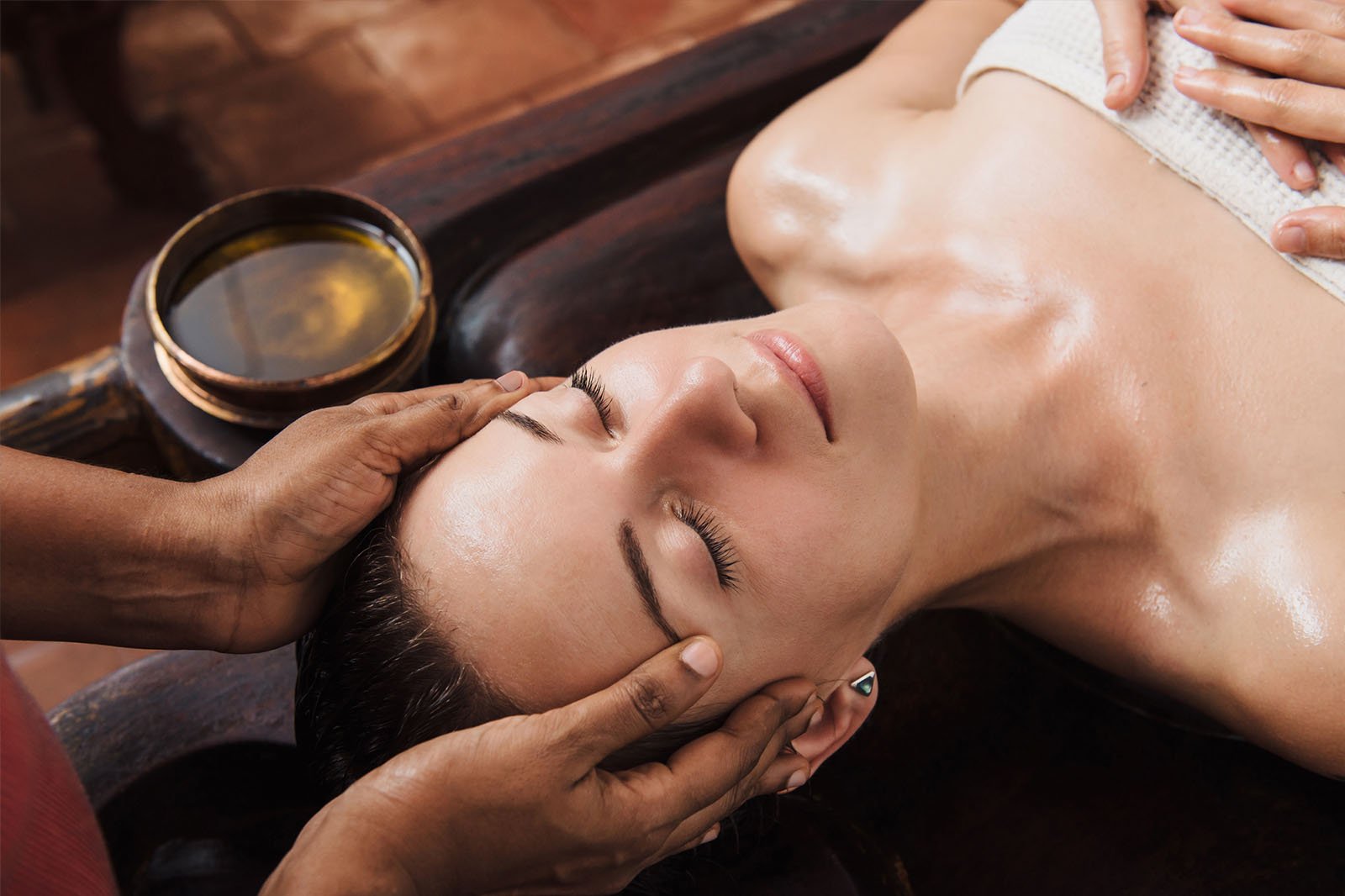
Many treatment plans may include the use of cleansing techniques and treatments such as panchakarma. Panchakarma is a detoxification process where we cleanse the body through a simple diet, use internal oil to pull toxins from deep tissue into the digestive track, and then flush those toxins from the system through various treatments and procedures. But again, there is more than meets the eye.
When a practitioner designs a panchakarma protocol for an individual, it is important to take into account the clients’ prakruti (state of balance), vikruti (state of imbalance), agni (digestive power), ama (accumulation of toxins), and much more. And so again, we come back to the idea that even panchakarma, which has standardized steps, requires the perspective of the practitioner to personalize the process.
The three stages of panchakarma
In Panchakarma, there are three main stages of processing and design:
Stage 1: Purvakarma
Purvakarma begins the preparatory stages before the main or kriyas procedures It is happening. This stage includes the process of lighting the fire of the digestive system or Agni And begin the detoxification process by pulling toxins from the tissues and digesting them. Since every person is unique, the way we ignite the song is unique. Some individuals may need pickled ginger, and some individuals may need hot water. These are just some of the ways you start this process. Along with the process of kindling Agni, we also start the process of internal glazing. This is the lubricating aspect at this stage which helps break down toxins to dislodge them and introduce them into the digestive track for elimination. There are many types of lubricating products from medicated ghee to special oils.
Stage 2: Pradhanakarma
This stage of panchakarma is the process that most people are familiar with. This is where the word “panchakarma” actually translates to 5 actions. This is exactly what this stage entails, 5 procedures to start detoxing.
- Action 1: Vericana disinfection
- Action 2: Basti enema
- Action 3: Mothers Bought
- Action 4: Forgetting Nasal administration of oil
- Action 5: Raktamoksha Blood cleansing
Once the body is saturated with internal oil, it is time to flush out toxins from the system. The first action is virechana which targets the small intestine, liver and gallbladder. All of these devices are seats Pitta dosha. Cleansing is done by taking milk laxatives to help cleanse excess pitta from the body.
Basti focuses on the large intestine/colon, the primary site of Vata Dosha. The unique experience of this enema is that tea or herbal oil is used for the liquid. The specific herbs chosen all depend on the imbalance the client is experiencing and what herbs will support the balancing process. Enemas are used for more than just nutrition, but herbs support nourishment of the colon walls and even help absorption back into the lining.
The Vamana process is a very unique experience in Panchakarma, and is not indicated for everyone. There is a special process to prepare for this kriya, which ultimately supports the withdrawal of kapha from its original location in the stomach. The goal is to draw excess phlegm from the system through the process of vomiting. A mixture of licorice tea and salt water is used to draw phlegm from the system. It is important to note that not everyone receives vomiting, as it is indicated in very specific imbalances.
Nasya is applying the oil into the nasal passages to support the doxic imbalances in the head space. Nasya is great for clearing sinuses, supporting memory, relieving brain fog, and much more. There are different types of oils and herbs used in Nasya treatment, especially for doshas that are imbalanced and qualities that need to be balanced.
Finally we have raktamoksha. Raktamoksha is a way to cleanse the blood of any lingering Amma. Blood is part of our circulation, and supplies the body with oxygen and nutrients. In Ayurveda, we say that blood gives us Neighborhood name Or he is the giver of life. In this way, we get healthy prana flow to all parts of the body through the blood. If the blood is healthy, our bodies receive what they need to be healthy. Traditionally, raktamoksha is performed using leeches, but in the United States, this is an uncommon practice. There are methods outside of leech therapy that can be used, but only in very specific cases.
Stage 3: Bashyakarma
The final stage of Panchakarma takes place once all treatments have been provided and the individual has returned to a state of balance, and it is time to rejuvenate and rebuild the tissues. Panchakarma is a deep detoxification process, which can have moments of feeling tired. For this reason, the post-PK process is equally important. At this stage, the practitioner develops an appropriate diet and lifestyle plan to focus on digestion, tissue nourishment, and healthy habits to keep the body in a state of vitality.
Practitioner role:
You see, panchakarma, although rooted in the same principles and treatments, requires an experienced practitioner who is trained in designing and implementing panchakarma to support the client throughout the entire process – purvakarma, pradhanakarma, and bhashyakarma. Without a practitioner, douchebag imbalances can worsen or take a turn in a less than desirable direction. For this reason, it is important to ensure that your practitioners and panchakarma center support your goals.
As Ayurveda continues to grow in popularity, take the time to align your health values with those of the practitioner and panchakarma center you choose. An individual approach is the key to successful panchakarma.
For more information about educational programs that train Panchakarma practitioners, visit https://ayurveda.com/education-ayurvedic-studies-programs/
For more information about SoHum Mountain Healing Resort, visit https://sohumhealing.com/

