


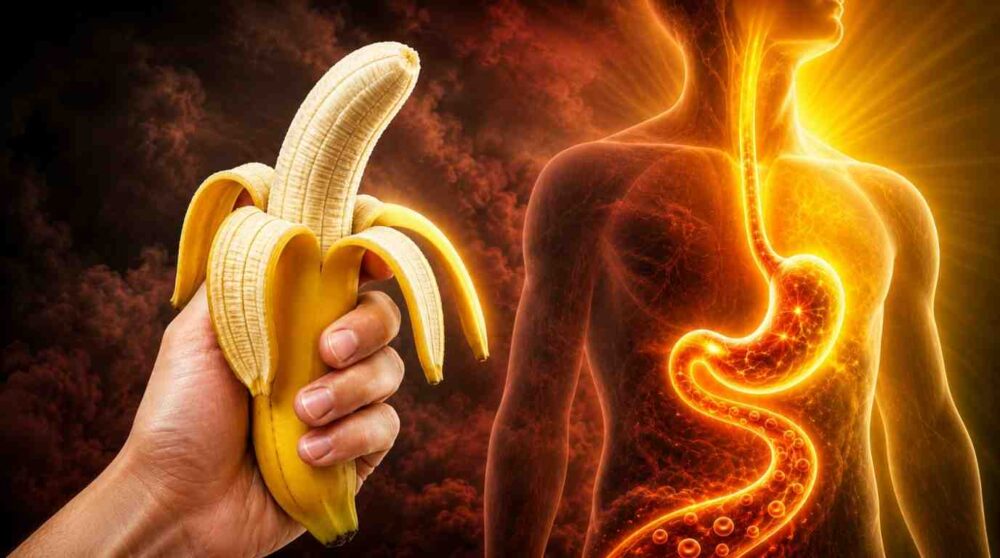
Some people swear by eating bananas in the morning, while others avoid them altogether due to concerns about sugar content. Understanding what’s actually happening in your body when a banana is the first thing you eat after waking up can help settle the debate. After 6 to 8 hours of sleep, your body is essentially fasted, with energy reserves gradually declining while your brain, muscles, and organs continue to work. The first food you choose can greatly affect how you feel for the rest of the morning.
Key takeaways
- The morning banana provides fast-digesting carbohydrates that supply the brain and body with glucose shortly after a night of fasting.
- Soluble fiber and prebiotic fiber support digestion, satiety, and gut bacteria that influence immunity, inflammation, and mood.
- Bananas are one of the best natural sources of potassium, which supports healthy blood pressure and muscle function.
- Although they contain natural sugar, whole bananas affect the body very differently than processed sugary foods due to their fiber, water and nutrient content.
- Pairing bananas with a protein source such as nuts, nut butter, or Greek yogurt creates a more balanced and filling breakfast.
Fast and accessible energy
A banana Provides natural carbohydrates that are easily digested and quickly converted into usable energy. Within minutes, glucose begins to enter your bloodstream and becomes available to your cells — especially your brain, which relies heavily on glucose as its primary fuel source. This is part of the reason why many people notice improved alertness and mental clarity after eating a banana first thing in the morning.
Support digestion and gut health
Bananas contain soluble fiber, which slows digestion and helps you feel full longer, which may reduce your desire to eat less healthy snacks later in the day. They also contain prebiotic fiber, which feeds the beneficial bacteria that live in your gut, bacteria that play a role in digestion, immune function, controlling inflammation, and even regulating mood. Slightly green bananas in particular contain resistant starch, which passes through the small intestine largely intact and reaches the colon, where it acts as fuel for beneficial gut bacteria, supporting digestive health and healthy metabolic function.
Potassium for heart and muscle function
Bananas are considered one of the best natural sources PotassiumIt is a mineral involved in nerve transmission, muscle contraction, fluid balance, and healthy blood pressure regulation. Since many people consume more sodium than potassium in their typical diet, adding potassium-rich foods like bananas is a simple way to help support cardiovascular health. For anyone who exercises regularly or stays active throughout the day, potassium also plays an important role in proper muscle function.
Vitamin B6 and brain function
Bananas are also a good source of vitamin B6, a nutrient involved in energy metabolism and the production of neurotransmitters that help regulate mood, focus, and overall brain function, which means bananas may support physical and mental performance.
Antioxidants and cellular protection
Bananas contain antioxidants and protective plant compounds that help defend cells against oxidative stress, a contributing factor to aging and cell damage over time.
What about sugar?
Bananas contain natural sugar, which is often the main reason people avoid them. But they also come packed with fibre, minerals, vitamins, antioxidants, water and beneficial plant compounds, which means your body responds very differently to a whole banana compared to candy, pastries, soft drinks or other highly processed sugary foods. For most healthy individuals, bananas can fit comfortably into a balanced diet. However, if you are managing diabetes or blood sugar levels, it is helpful to discuss serving size and timing with your doctor or registered dietitian, since individual needs vary.
Simple, accessible, and effective
Part of what makes bananas so practical is their simplicity—they are inexpensive, portable, require no preparation, and are available in almost any grocery store. No supplements, complex recipes, or specialized health foods are needed. For a more balanced start to the day, pairing a banana with a source of protein — a handful of nuts, a spoonful of natural nut butter, or Greek yogurt — can help keep you full longer.
Bottom line
The first food you eat each morning can affect your energy, digestion, appetite, focus, and even the choices you make later in the day. Bananas are not a miracle food and won’t solve every health problem on their own, but they do offer a simple, accessible combination of nutrients that can support energy, digestion, gut health, heart and muscle function, and brain function – all from one of the simplest foods available.
Frequently asked questions
Does the sugar in bananas pose a health risk?
For most healthy people, no. The fiber, water and nutrients in a whole banana slow the absorption of sugar and make it behave very differently in the body than processed sugary foods. Those managing diabetes or blood sugar should discuss appropriate portions with their doctor or dietitian.
Are green bananas better than ripe bananas?
Slightly green bananas contain more resistant starch, which feeds beneficial gut bacteria and may support digestive and metabolic health, while ripe bananas contain readily available natural sugars for faster energy. Both can fit into a healthy diet.
Will a banana alone keep me full until lunch?
Bananas alone provide fiber and nutrients that support satiety, but combining them with a protein source such as nuts, nut butter, or Greek yogurt creates a more balanced, filling meal that is more likely to last longer.
How does banana potassium help my body?
Potassium supports nerve transmission, muscle contraction, fluid balance, and healthy blood pressure regulation. Since many people get more sodium than potassium in their typical diet, potassium-rich foods like bananas can help support overall cardiovascular health.
Quick start checklist
- ☐ Add a banana to your morning routine as a simple and portable energy source
- ☐ Choose a slightly green banana if you want more resistant starch for gut health
- ☐ Pair with nuts, nut butters or Greek yogurt for a more balanced and filling breakfast
- ☐ Notice how this affects your energy and focus over the next hour
- ☐ If you have diabetes or blood sugar control, check proper portioning with your doctor or dietitian
source: Dr. Mandel
Disclaimer: This article is for general informational purposes only and is not a substitute for professional medical advice, diagnosis, or treatment. If you manage diabetes or blood sugar levels, consult your doctor or registered dietitian about appropriate fruit servings and timing for your individual needs.

