

Published March 25, 2026 at 11:32 AM
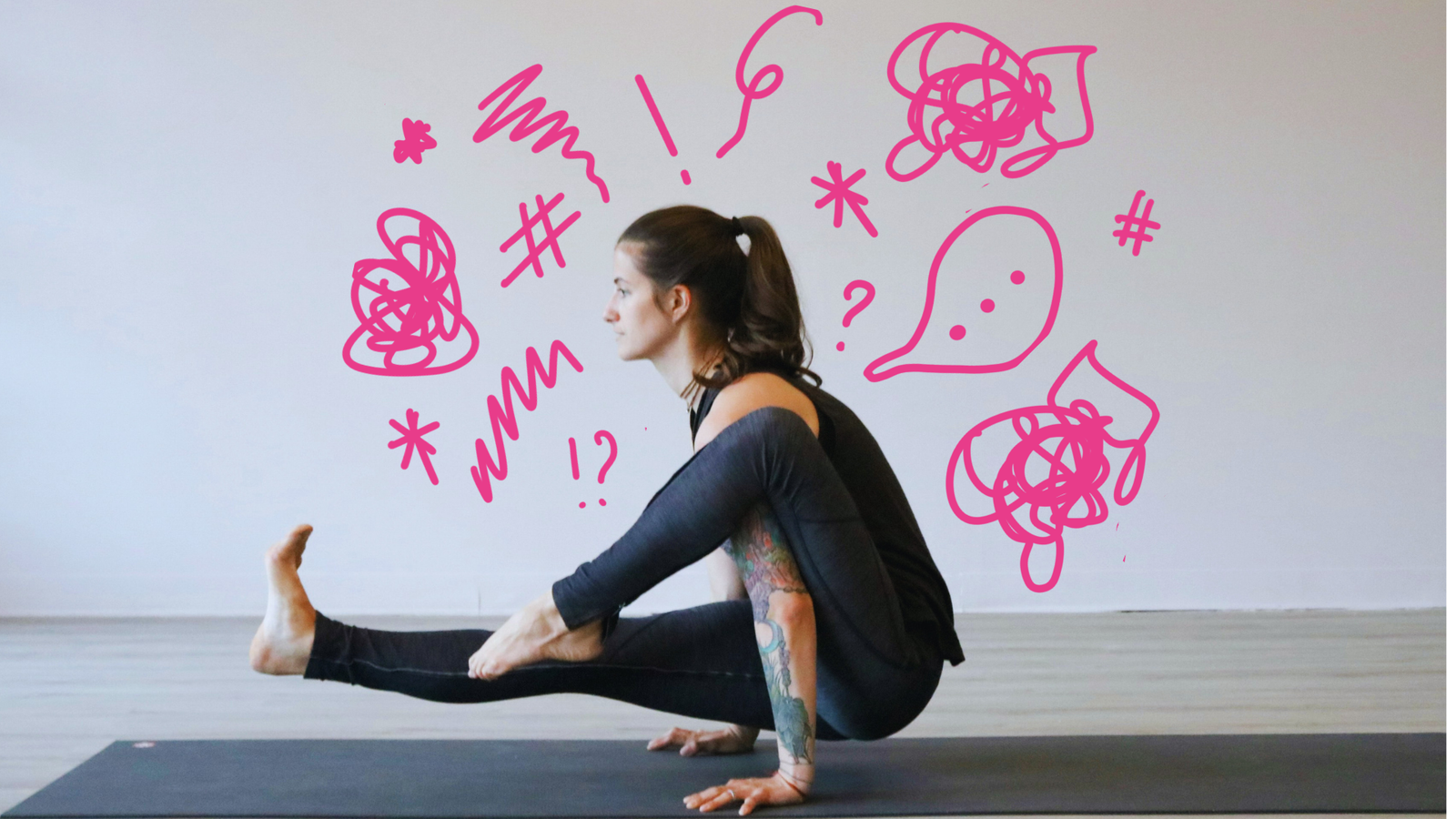
For the longest time, whenever someone found out I was practicing yoga, their behavior around me would change. People seem to assume I’m the calmest person in the world. Suddenly they say things like: “You’re too patient,” even though I’m definitely not. (Just ask my husband). They also seemed to think that I was always in a state of relaxation and that I had failed to recognize the gamut of human emotions. Someone once apologized for cursing in front of me.
There was an unspoken expectation that I would always respond to life calmly, even when the situation called for anything else. This expectation was only reinforced when I started teaching yoga. Everyone was a little surprised when they finally learned that I was actually not calm and peaceful at all.
I know I’m not the only one experiencing this. We’ve all seen the meme that makes fun of everyone and thinks that people who do yoga are supposed to be calm when most of us are here because we’re a little bit messy — or maybe just human.
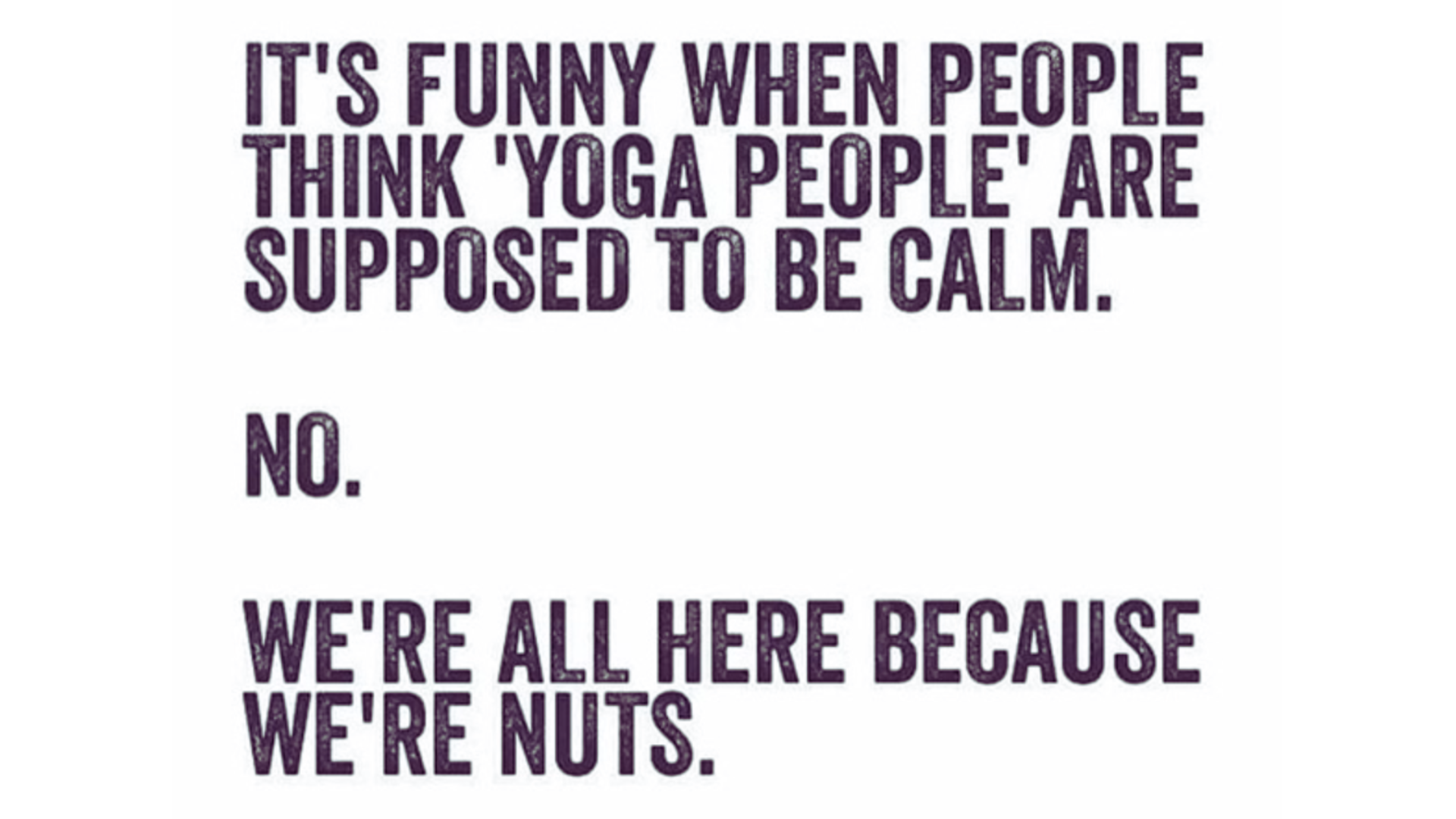
Yes, sometimes we come to yoga to relieve stress, tap into our inner peace, and stay still. But many of us sometimes come to activate our strength, energy, and fire. Most people who practice yoga know that it serves more than one purpose.
However, somewhere along the way, the marketing message around yoga shifted more toward a “good yogi” being someone who is calm, patient, compassionate, and unfazed. Among the contributors to the apparent pacification of yoga’s goal is the spread of various methods beyond the physical and disciplined focus of the lineages taught by BKS Iyengar and Pattabhi Jois. Also, as the mindfulness-based stress reduction technique developed by Professor Jon Kabat-Zinn has become more popular, some cognitive behavioral therapists have adopted select yoga tools, including breathing and somatics (body-based awareness).
To be sure, the physical practice component of yoga was traditionally intended to prepare the body for meditation, and in this sense, stillness can be interpreted as calm. But in reality, yoga is also about recognizing the emotional state we’re in—sometimes it may seem calm, sometimes it’s frustration, sometimes it’s blinding rage—and learning how to respond to it appropriately.
Being uncharacteristically calm from yoga is a good idea. But this is not only unrealistic, it is also dangerous.
The truth about “negative” emotions
In contemporary American society, the message is consistent from an early age: Anger and upset are bad. It is reinforced by our parents, teachers, professors and our workplaces. So it is not surprising that discomfort and anger are classified as something to be avoided and, therefore, “un-yogic.”
However, from a nervous system perspective, irritation is an activation. The body has mobilized itself because something is wrong or incompatible. Irritability can indicate that boundaries have been crossed. Sometimes it comes from witnessing injustice. Sometimes it’s because we see things that are immoral or simply wrong. And sometimes it’s simply a result of Being hungryOr feeling tired or needing sleep.
Not every flash of anger is profound. But when calm becomes the only goal, we lose sight of the message our emotions are trying to send. Acknowledging and accepting our anger or upset is one of the clearest ways we learn that we care about something. However, we are often labeled as “petty” even when we express these feelings appropriately. Sometimes we judge ourselves for thoughts that are certainly not calm or compassionate but are true to our experience.
If we were really practicing yoga, the focus wouldn’t just be on relieving stress. It is recognizing the situation we are in and responding skillfully to it.
Before I understood this and was trying to be in the person of a “yoga teacher” who was constantly peaceful and calm, I would deal with everything and everyone by trying to rise above the situation and be as kind as possible. So, when one of my coworkers was extremely rude to me in front of my students, I used all my yoga skills and respectfully asked her not to do that again.
I left the conversation feeling like I had handled it the way a yogi should and that things would change. They didn’t. A few days later, I did it again.
I sat down in therapy shortly after that and explained that I was using my breathing, my emotional regulation skills, and all my tools to stay calm and respond well. My therapist looked at me and said, “Well, you should be angry.”
I was on the floor. I am waiting. What? Should I be angry?
I have options, she explained. I can be angry. I can talk. I can scream. I can decide not to be around this person anymore. No matter what, I always had a choice. It was a completely new and revealing way of looking at the situation.
So when it happened again (shocking, I know), I responded with firmness and boundaries. Her behavior became more respectful and we ended up having a much better working relationship. Which made me stop and think. Did allowing myself to get angry actually help me? Did showing my annoyance help?
What my therapist understood, and what my yoga practice was pointing out all along, is that being human means experiencing a full range of emotions. The job is not to eliminate them. It is to respond to them with awareness.
Sometimes the skillful response is to speak up. Sometimes boundaries are set. Sometimes you have to step away and regulate your nervous system before saying anything at all. Sometimes the smarter response is to realize that the situation simply does not require your energy.
This isn’t just about anger. The same is true of frustration, impatience, and other conditions we’ve learned to push away. The awareness it takes to understand that? That’s why we practice yoga.
When we remove the goal of calm, we can begin to understand what these supposed “negative” emotions are. Sometimes it’s simply the body and inner mind that say, “I don’t like this.” Irritation is not the problem. Being quiet is not the goal. Being present and responsive to our needs is important. Yoga is not about changing feelings, but about changing our relationship with them.

