


You love God. You pray. You trust, or you try to. However, your body is saying something else. Your shoulders are tense before the day even starts. Your mind is racing at night. Your chest holds a low, familiar hum of anxiety that never goes away. It’s time to explore faith-based habits that support your nervous system and help calm the stress your body holds.
If so, this message is not a message about praying harder. Consider this message a call to recognize that the familiar practices of faith—prayer, stillness, worship, rest, and gathering—are powerful tools for calming an overworked nervous system.
These faith habits that support your nervous system are not a new self-help trend. In many ways, it is the oldest wisdom in existence. Only now is science trying to explain why these devices work.
Try this now
Self-prayer in two steps
Inhale slowly
“Be still…”
→
Long exhale
“…And I know.”
thrice. This exhale actually calms your nervous system.
🧠 Explain your nervous system gently
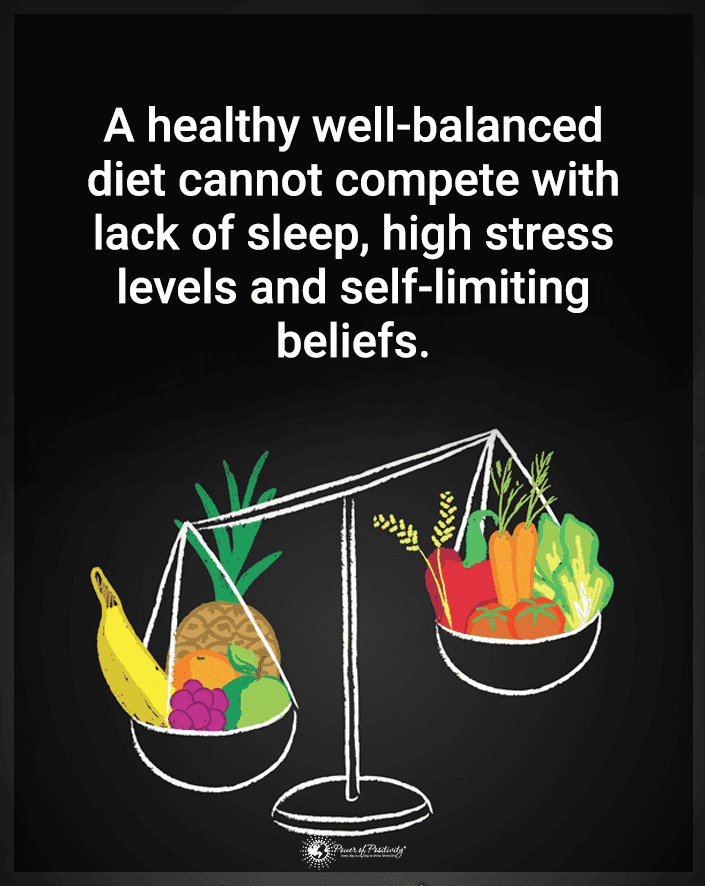
Before we get to habits, it’s helpful to understand what happens in your body when stress takes over. Just a little. Nothing complicated.
Your nervous system operates in two basic modes. The first is fight or flight, your body’s alarm state. When it is activated, your heart races, your breath shortens, and your muscles tense. This mode is designed for emergencies, but modern life, with its noise, demands and constant inputs, can keep it on long after the emergency is over.
The second mode is rest and digest. This is where your body heals, your mind settles, and true calm becomes possible. The pathway between these two conditions largely passes through a nerve called the vagus nerve, which is the body’s built-in calming channel. Slow, deliberate exhalation stimulates the vagus nervesending a safety signal that relieves the stress response almost instantly.
Many of us, especially those who carry a great deal of anxiety or responsibility, spend a lot of time in alert mode. Not because our faith is weak. But because our nervous systems need deliberate, repeated signals that rest is safe. And this is exactly what the right habits provide.
🕊️ Why is this not a lack of faith?
There is a belief, rarely spoken out loud but deeply felt, that a person of true faith should not suffer from anxiety. The belief is that if your trust in God is strong enough, your nervous system will follow. Thus, on top of the anxiety itself comes a second layer: guilt for feeling anxious at all.
This needs to be said clearly: anxiety is not a judgment on your faith. It’s your body’s alarm system doing what it was designed to do, which is scanning for danger and preparing you to respond.
This system does not automatically turn off, no matter how deep your faith is. Even the most faithful people in the Bible have known fear, exhaustion, and exhaustion.
Taking care of your nervous system is not an alternative solution to a lack of faith. It’s the agency. Your body is part of what you were given to take care ofTaking good care of it is in itself an act of trust.
Even believers struggled
“I’m tired of my whining. I flood my bed with cries all night long.” —Psalm 6:6
David, a man after God’s own heart, knew what exhaustion meant.
“I’ve had enough, Lord. Take my life.” — 1 Kings 19:4
Elijah, one of the greatest prophets, collapsed under the weight of it all.
“Do not be anxious about anything…” – Philippians 4:6
Paul wrote these words from prison. He knew the struggle was real, and he still offered a way to overcome it.
🙏 6 faith habits that calm the nervous system
These are not new specialties that can be added to an already full life. Most of them are practices that your faith always calls you to. What changes here is understanding why it works, in your body, not just in your soul.
1. Self-prayer
Slow, deliberate breathing is one of the quickest ways to activate the vagus nerve and bring your body out of stress mode. Pair it with prayer and it becomes something richer.
Inhale slowly and whisper “be still.” Exhale long and slowly, saying, “And I know.” The longer exhale is what triggers the calming responseAnd it works within seconds.
2. Pray the Bible out loud
Speaking the truth out loud has a measurable effect on the brain. It recruits language centers and pulls activity away from the amygdala, the part of the brain responsible for fear and anxiety.
When you say a verse out loud instead of just reciting it, you give your nervous system something real and consistent to latch on to.
3. Intentional stillness
“Be still and know that I am God” (Psalm 46:10) is not just a spiritual call.
Researchers at Harvard call this type of intentional calm the relaxation responsea tangible shift in the body that causes a lower heart rate, slower breathing, and reduced cortisol.
Even five minutes of intentional stillness counts.
4. Worship and thanksgiving
Gratitude and worship shift the brain’s focus away from threat and toward hope, relieving stress reflex in the process.
Singing, in particular, requires a breathing rhythm that the body naturally regulates.
She wasn’t just worshiping when she sang. You have also been quietly calming your nervous system.
5. The gathered community
Research shows that singing with others releases oxytocinIt is a bonding hormone that builds a sense of security and relieves the isolation that often fuels anxiety.
Coming to worship together not only nourishes spiritually. It is one of the most powerful co-organizing tools we have.
6. Sabbath rest
A regular, protected window of true rest allows the body’s stress system to resetIt reduces evening cortisol and improves heart rate variability, a key sign of nervous system plasticity.
Saturday is not laziness. It’s the deepest form of trust, telling your body and soul that you don’t have to keep everything together.
🗓️ How to build these things in a typical week

You don’t need to overhaul your routine. The goal is to connect small habits to moments already in your day, so they feel natural and not like another obligation.
The soul prayer takes thirty seconds and can be done in the car before going to work. Stillness can be five minutes before getting out of bed in the morning. Gratitude can be said out loud over dinner. The Bible can be a single verse, said out loud while you brew your coffee.
Then, once a week, protect something larger. True rest, group worship, and long walks without your phone. These weekly anchors are where the deepest reset takes place.
Start with one. Only one. Let it settle before adding another. A small habit that is practiced consistently will always outperform an ambitious habit that is abandoned by Wednesday.
Nice rhythm
daily
🌬️ Self-prayer
📖 Bible out loud
🤫 Stillness
🎵 Gratitude
weekly
🤝 Combined worship
🌙 Saturday rest
🤝 A kind word about when to ask for more help
These habits are real, and they really help. But it is not a substitute for professional care, and it is important to say that clearly.
If anxiety is significantly affecting your daily life, sleep, relationships, or sense of self, please reach out to a doctor, counselor, or therapist.
There are many faith-affirming mental health professionals who will respect your body and your faith. Asking for this kind of help does not mean that you have failed in your faith. It is wisdom, and it is courage.
God often heals through many means. These habits are the same. Community is another thing. And so is the person who is equipped to sit with you and help you find your way.
Note to stick to
Asking for help is not a sign that your faith is too weak. This indicates that you are managing the life you have been given honestly and carefully. This requires courage. This is more than enough.
✨ Designed for peace
Your body and your faith are not at odds. The God you trust also designed the calm within you, the slow exhalation, the stillness, and the security of being known and collected. These are not coincidences. They are invitations.
Peace is not a personality type that was not given to you. It’s a practice you can return to, one small sincere moment at a time. Your nervous system is not your enemy. Neither does your faith. They were always meant to work together.
Pick one habit today. Only one. Make it a small act of trust for your soul and body, because they deserve attention.

