

Updated April 19, 2026 at 5:30 AM
You know the feeling you get when you’re trying to have a conversation, or working on a spreadsheet, or literally doing it anything But your mind keeps drifting away from the task at hand? Maybe you can’t even remember the last time you had a conversation without someone reaching for their phone and going into distraction mode.
Sometimes, this mental fogginess, forgetfulness, or difficulty concentrating occurs when you don’t get enough sleep or are more stressed than usual. Or maybe you get easily distracted. Whatever the reason, feeling unfocused can be frustrating.
There are ways to help train your brain to stay more focused – and Yoga is one of them. When you pay attention to how your body moves and breathes on the mat, your mind has fewer places to wander. This process alone can help bring you back to the present.
8 yoga poses that help you improve your focus
The following balance, inversions, and restorative poses can be especially helpful when your mind feels cloudy. The goal is not to do the poses “perfectly,” but to practice small moments of concentration that give your mind a chance to recharge.
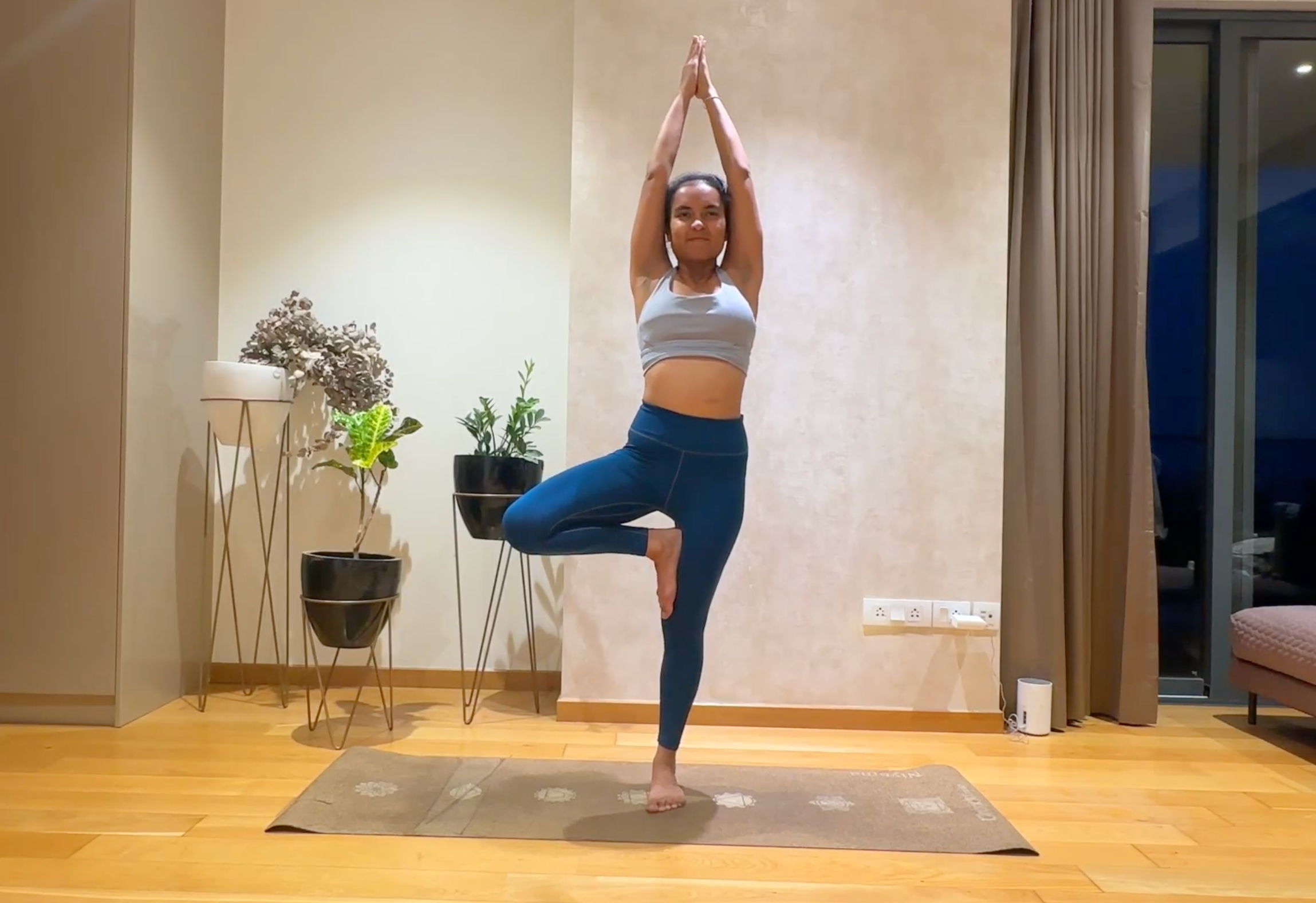
1. Tree Pose (Vrksasana)
Balance poses make it difficult for your mind to drift because all your attention is focused on stabilizing your body. When you focus your gaze on one point in this balance pose, your mind will follow suit.
How to: Stand tall and shift most of your weight to one foot. Place the sole of your opposite foot on your inner ankle, calf, or inner thigh. Place your hands in a prayer position (anjali mudra) on your chest or raise them up Tree pose. Fix your gaze on one fixed point in front of you. Stay here for 5-8 breaths, then switch sides.
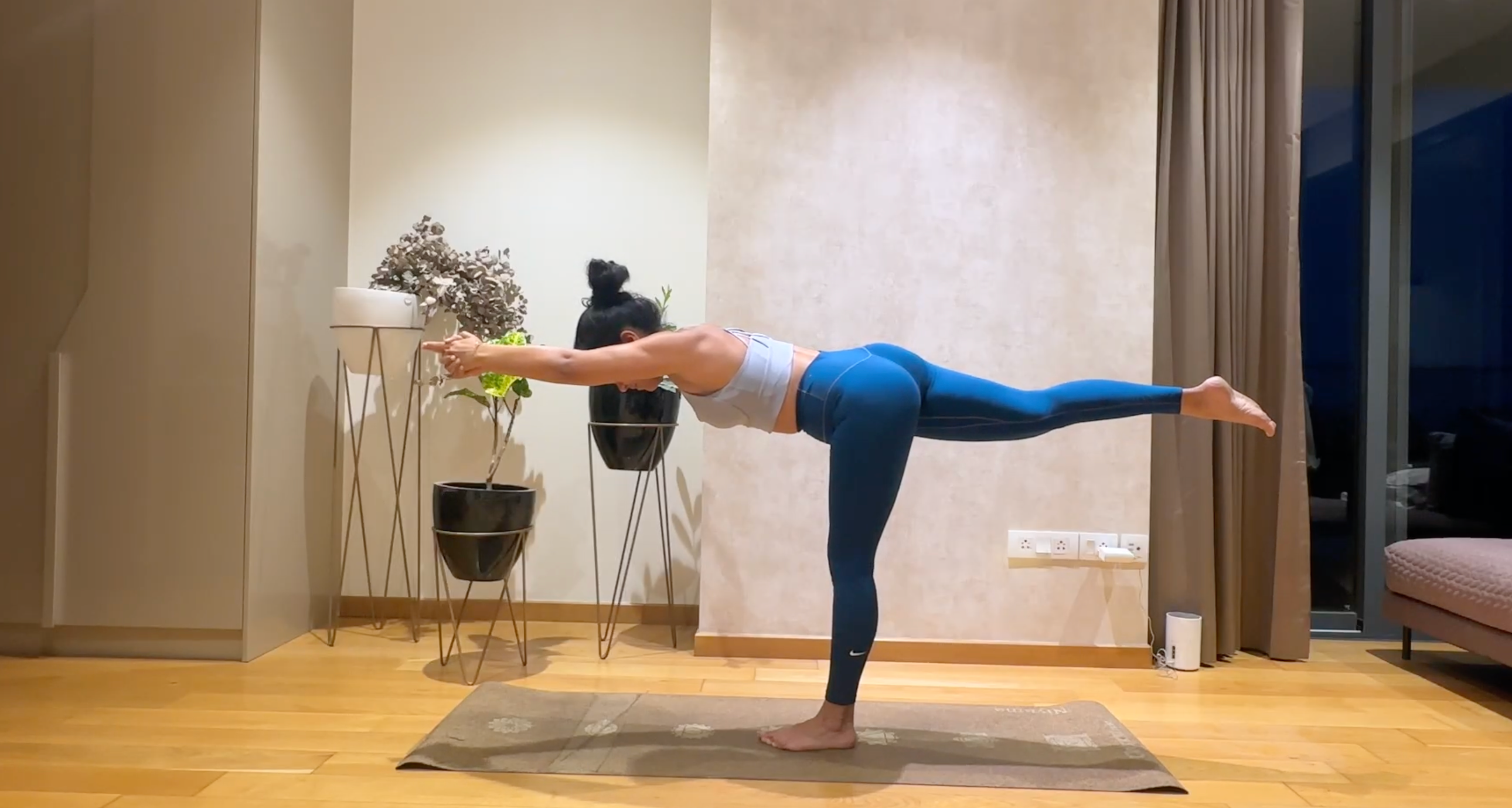
2. Warrior 3 (Virabhadrasana III)
There’s little room for your focus to shift away from the task at hand in Warrior 3 as your mind and body work to maintain challenging shape.
How to: From standing, shift most of your weight to one foot. Move forward from your hips as you reach your chest forward and lift your opposite leg behind you. Imagine the crown of your head and your raised foot moving away from each other Warrior 3. Keep your hands on your hips and bring them together at your chest, or reach forward and press them against the wall if that helps you balance. Stay here for 3-5 breaths, then repeat on the other side.
Although images of complex inverted poses come to mind when you think of inversions, some of these poses can be quite simple as well. In the yoga tradition, this type of pose is believed to help slow down the racing mind.
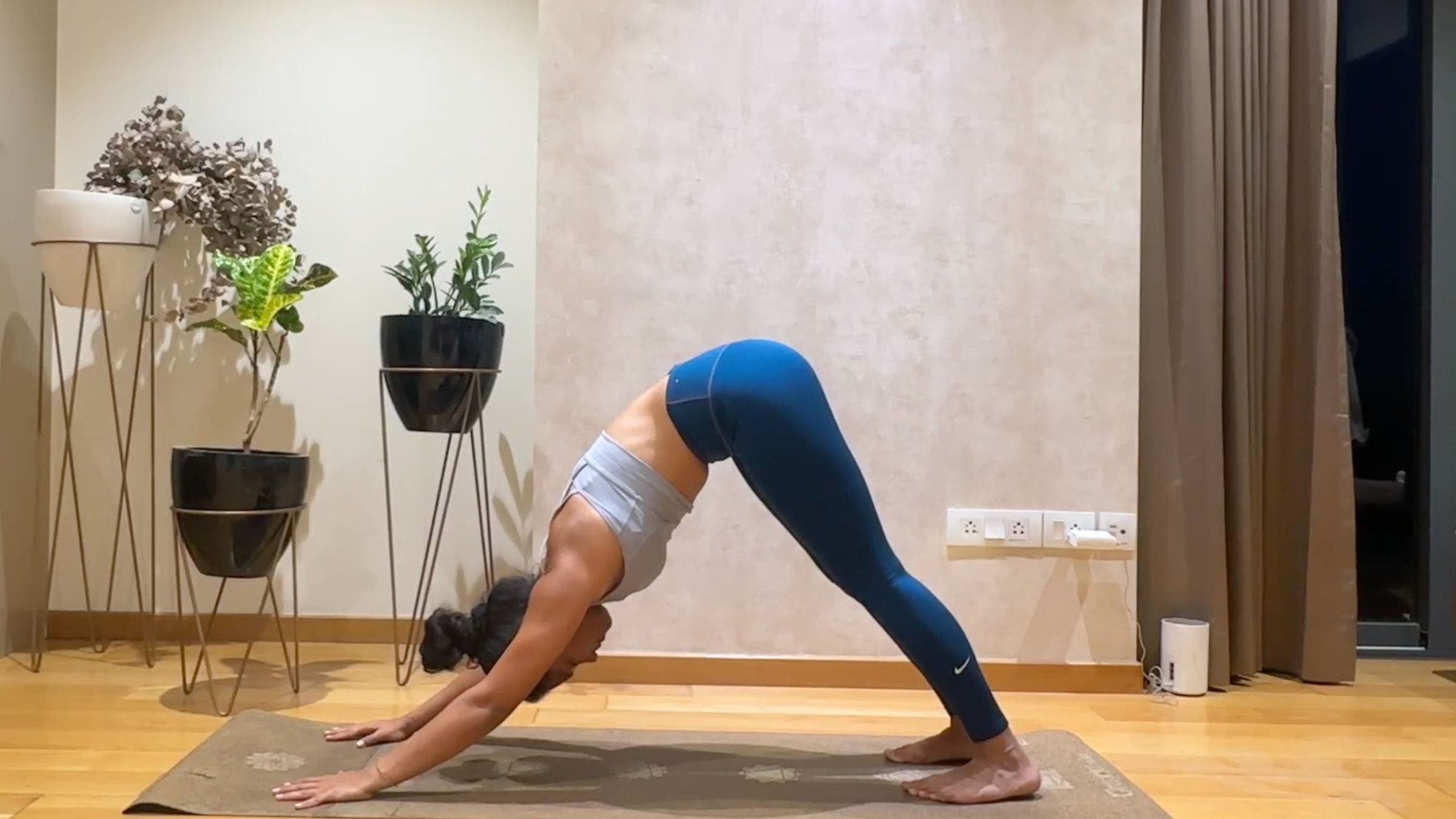
3. Downward Facing Dog (Adho Mukha Svanasana)
Consider Down Dog as a pose to adopt when you feel mentally sluggish or energetic.
How to: Come onto your hands and knees with your wrists under your shoulders and your knees under your hips. Spread your fingers wide and flex your toes. Lift your hips up and back while almost straightening your legs inward Downward dog (Keep your knees softly bent, especially if your lower back is tight.) Relax your head in your arms. Stay here for 5-8 breaths.
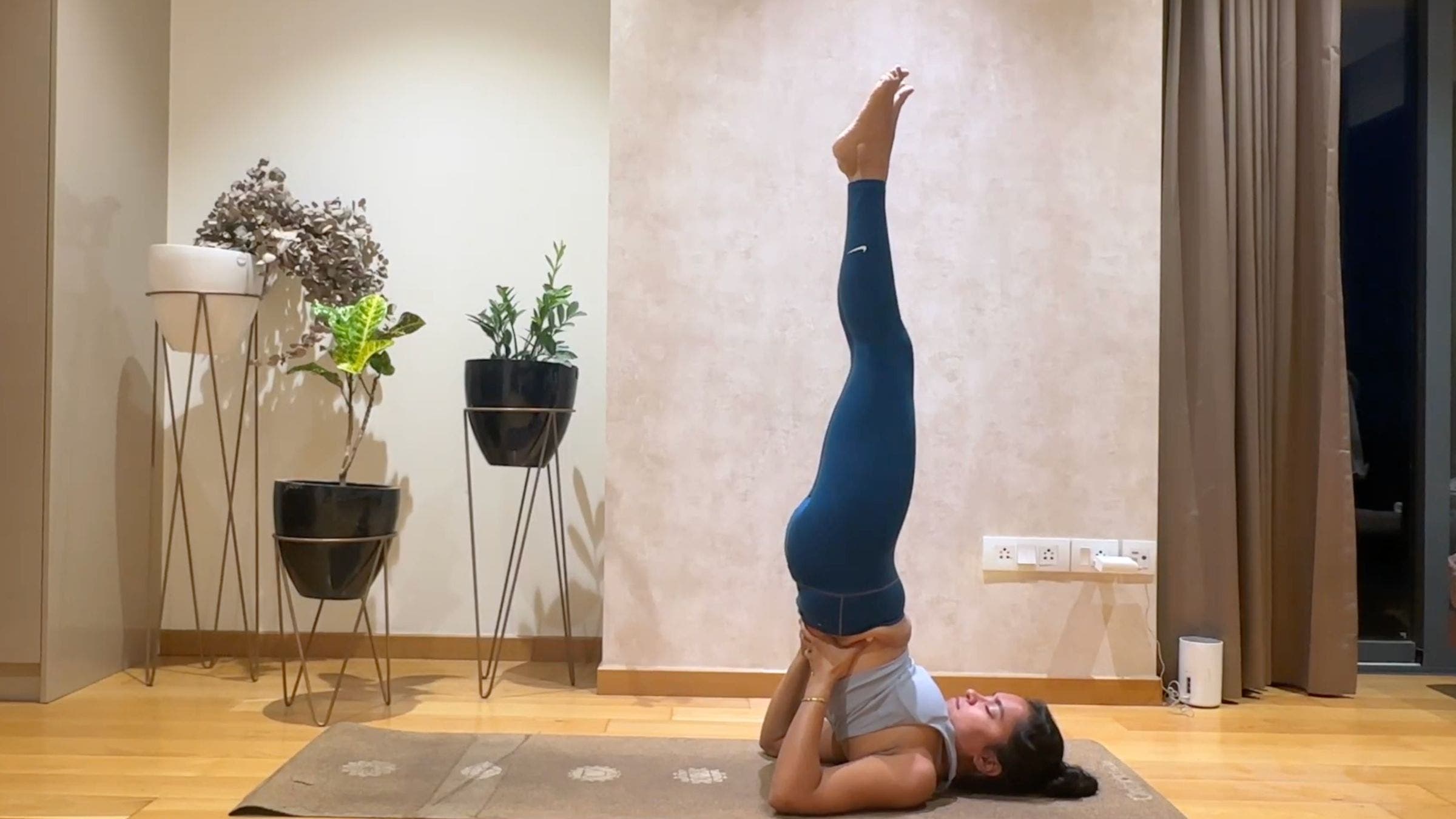
4. Supported Shoulder Stand (Salambasarvangasana)
You need to practice deep concentration on the Shoulder Stand, which helps train your mind for moments that require similar focus off the field.
How to: Lie on your back with your knees bent, your feet flat on the mat, and your arms at your sides with your palms facing down. Exhale as you press your arms into the mat, then pull your knees toward your chest. Bend your lower back away from the mat and use your hands to support the sides of your waist.
Inhale and straighten one leg, then the other, toward the ceiling Supported shoulder holder. Stay here for 3-5 breaths, then bend your knees toward your chest. Slowly move your lower hips into the mat.

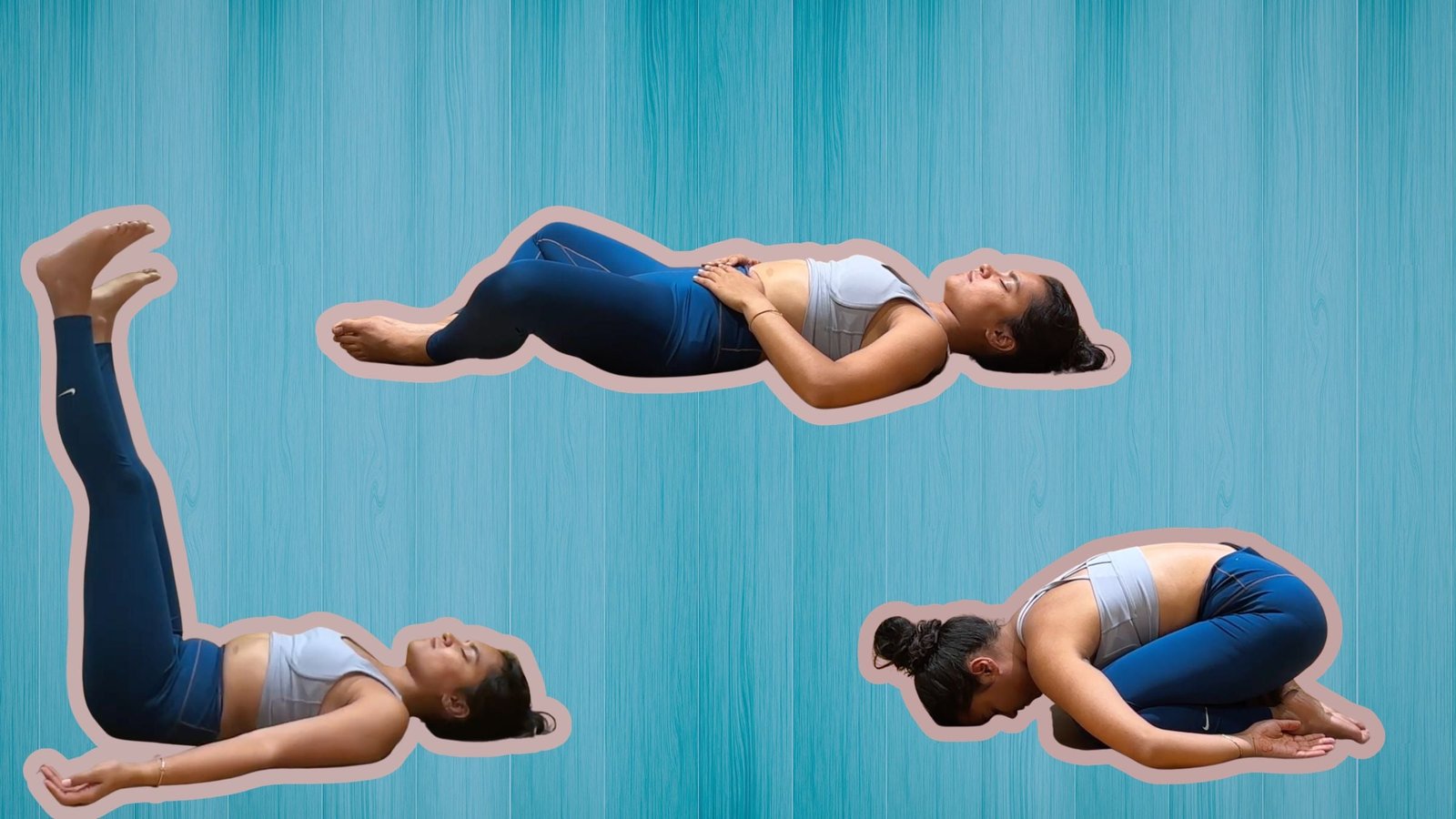
5. Legs on the Wall (Viparita Karani)
Unlike the more energizing poses mentioned above, Legs Up the Wall is an opportunity for your mind and body to rest and reset. It is perfect to do when you are mentally overwhelmed or exhausted.
How to: Sit sideways against a wall. Lower your back down as you swing your legs up Legs up the wall. You may need to adjust your position until you feel comfortable. Relax your arms at your sides or place your hands on your body. Stay here for 5-10 minutes.
When mental fogginess is due to stress or overstimulation, restorative poses can help stabilize your nervous system.
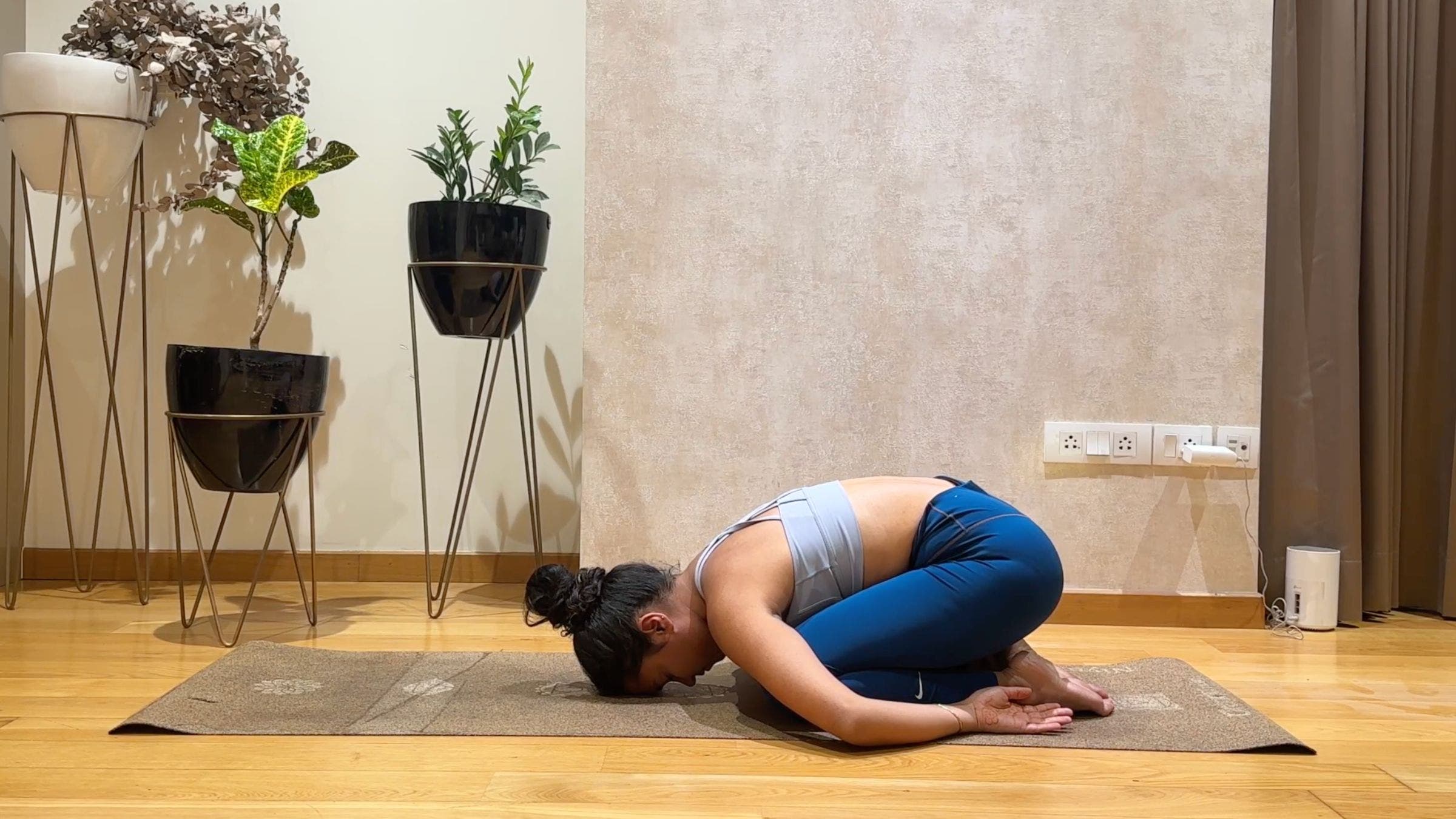
6. Child’s Pose (Balasana)
The child’s pose in yoga is known for creating a feeling of stability and ease, and provides a small respite from the demands of life and mindset.
How to: Kneel on the mat with your big toes touching and your knees wide. Bring your hips back toward your heels and fold your torso forward, placing your forehead on the mat or block. Extend your arms forward with palms facing down Child’s position. Stay here for 5-10 breaths.
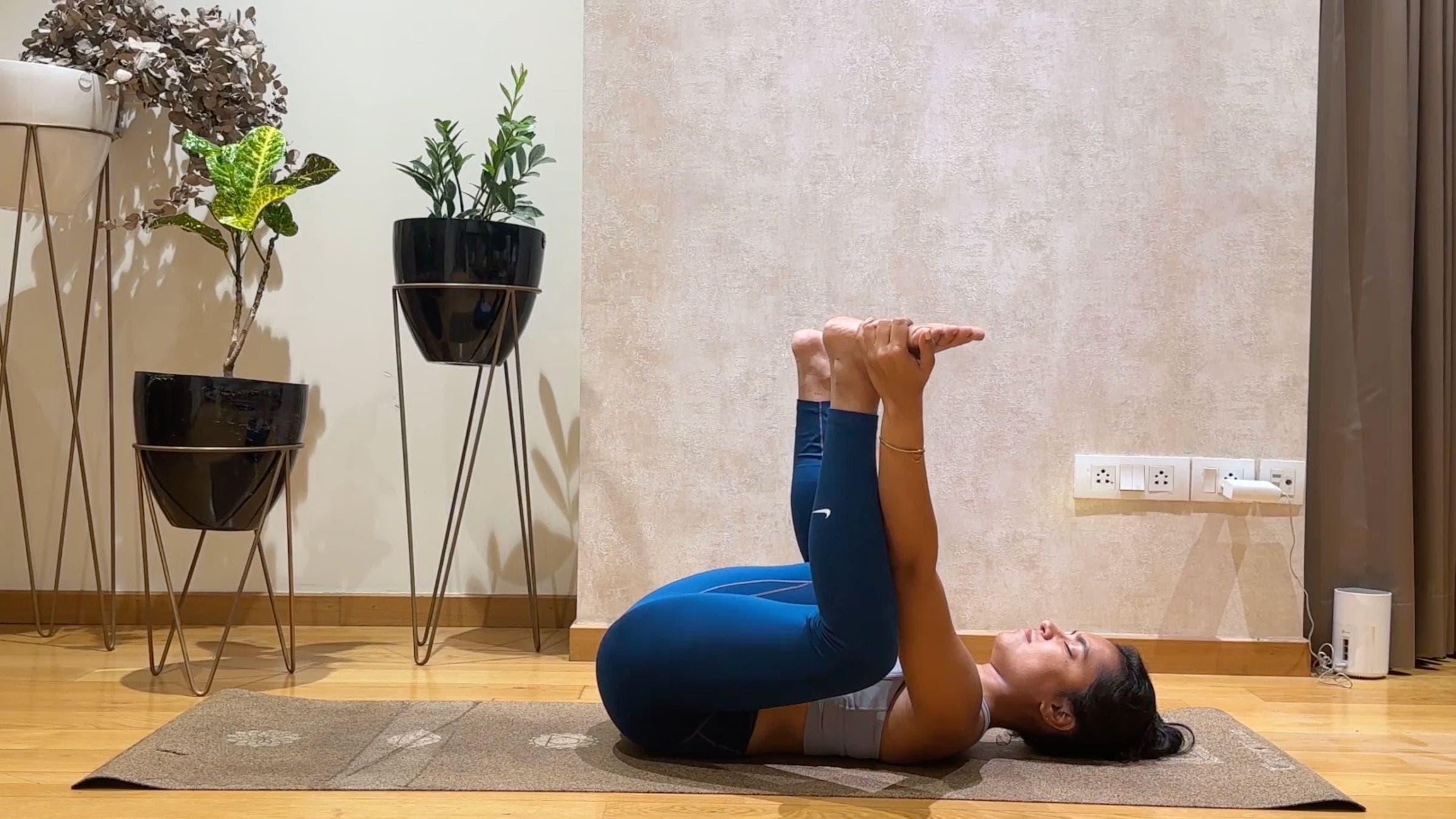
7. Happy Child (Ananda Balasana)
Mental fatigue often manifests as physical tension in the body, especially the hips. Happy Baby helps launch that.
How to: Lie on your back and pull your knees to your chest. Grasp the outer edges of your feet, ankles, or shins, and let your knees widen toward your armpits Happy child. Keep your head and shoulders relaxed. Stay here for 5-8 breaths.
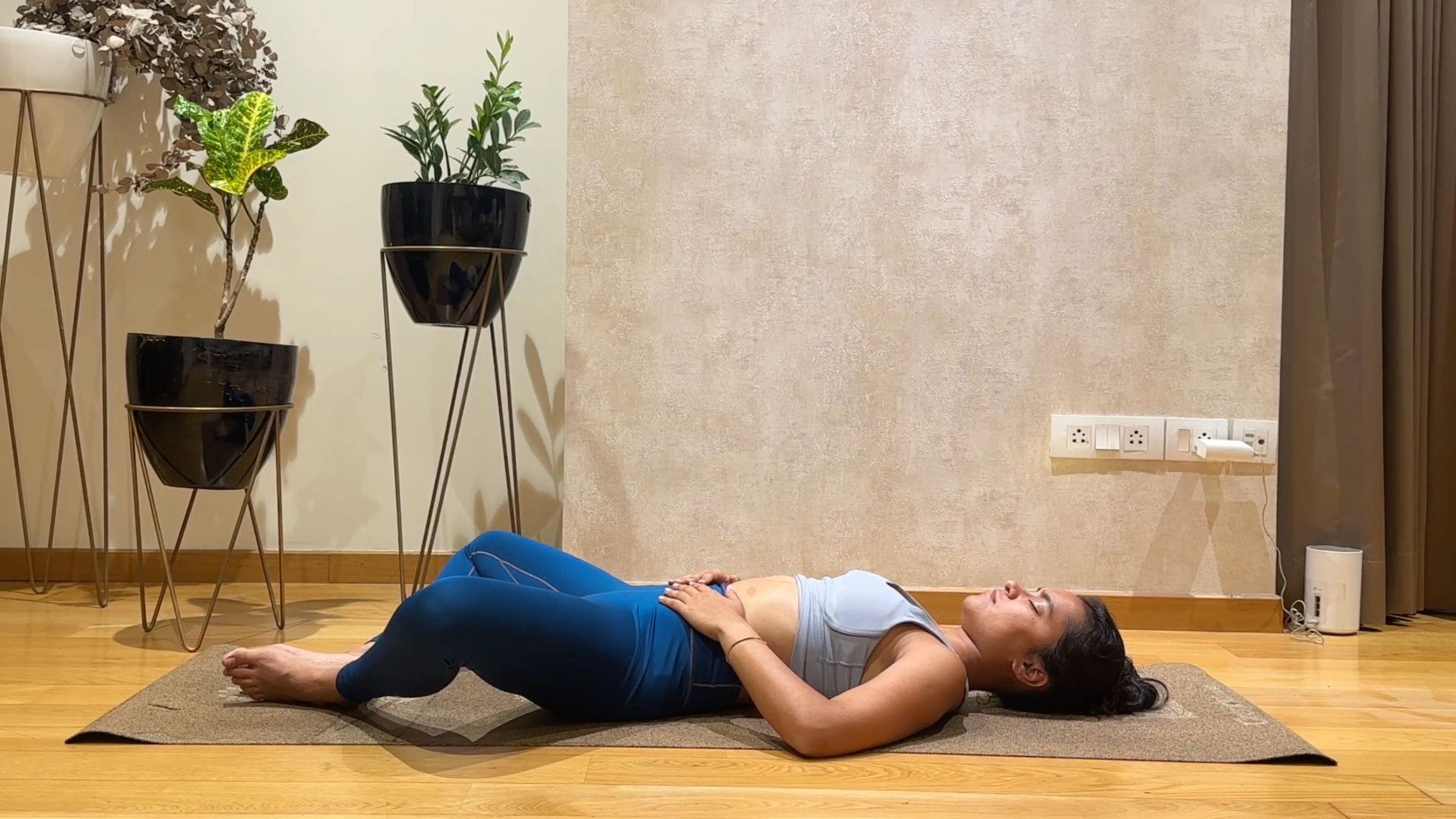
8. Reclining Butterfly Pose (Supta Baddha Konasana)
This restorative pose can be a soothing way to end your yoga practice or even a pose you do before bed to relax.
How to: Lie on your back and bring the soles of your feet together, allowing your knees to fall to the sides. Place your arms at your sides or place one hand on your chest and the other on your stomach Reclining butterfly pose. For extra support, place pillows or folded blankets under your thighs. Stay here for 1-3 minutes, or longer if comfortable.

