
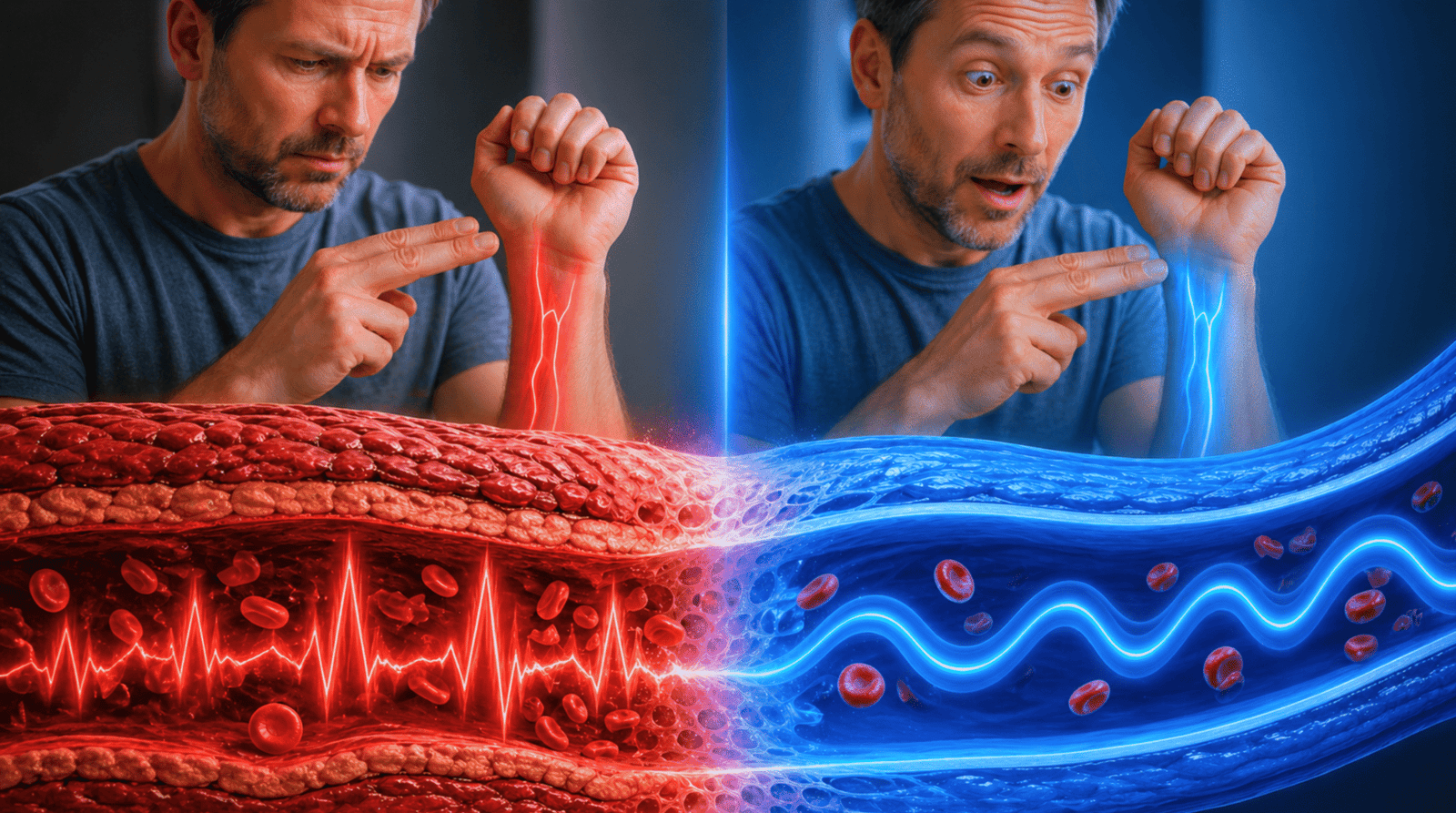


Warning: The steps I’m about to share with you will lower your blood pressure very quickly. If you’re currently taking blood pressure medication, you should never try this without first talking to your doctor. Why? Because this approach works so quickly and effectively that if you don’t adjust your prescriptions, your blood pressure could drop to dangerously low levels. You should work with your doctor to titrate your medication as your numbers improve.
High blood pressure is often called the “silent killer” because it can wreak havoc on your body without any obvious symptoms. But what if I told you that for the vast majority of people, this condition has a completely fixable cause that has almost nothing to do with salt or your family tree? Although the medications your doctor prescribes are good medications, they have a common problem: They treat the symptoms, but they will never treat the root cause of your high blood pressure. Let’s break down the real reason behind your high blood pressure and outline a clear five-step plan to fix it for good. (Based on insights from Dr. Annette Bosworth)
Key takeaways
- The real culprit: For most people, the main cause of high blood pressure is not salt intake, but a hormonal problem called insulin resistance.
- Triple attack: Chronically high insulin raises blood pressure through three distinct mechanisms: forcing the kidneys to retain fluid, activating the nervous “fight or flight” system, and physically hardening the arteries.
- It is reversible: By directly addressing insulin resistance, you can reverse these mechanisms and see a rapid and significant drop in your blood pressure.
- Holistic approach: The solution includes a five-part strategy that focuses on diet, targeted exercise, losing dangerous visceral fat, managing stress and sleep, and understanding the true role of salt in your body.
Step 1: Address the root cause – insulin resistance
For decades, we’ve been told that salt is the biggest enemy of healthy blood pressure. The truth is that salt is often just a scapegoat. The real motivation, the underlying root cause for the vast majority of people, is… Insulin resistance. You might think of insulin as just “diabetes,” but it’s definitely a “blood pressure thing” as well.
This is the mechanism, and I really want you to understand this because everything else depends on it. As your cells become resistant to insulin, your body produces more and more of it to deliver the message. Chronically high insulin levels cause problems in three ways:
- Fluid retention: Insulin sends signals directly to the kidneys to retain sodium. Water always follows sodium, so the overall volume of blood in your system expands, increasing the pressure within your blood vessels. It’s like over-inflating a tire.
- Activate the nervous system: Insulin activates your sympathetic nervous system, the “fight or flight” response. This causes the blood vessels to constrict or tighten, narrowing the space needed for blood to flow and increasing pressure again.
- arteriosclerosis: Over time, high insulin levels cause the muscular walls of the arteries to thicken and harden. Blood vessels lose their normal elasticity and cannot expand properly to accommodate blood flow, resulting in a third and continuous increase in pressure.
So, how do you know if this is your problem? In my clinic, detecting insulin resistance is simple. If you have excess weight around your midsection, feel tired or run down after a meal, constantly crave carbs and sugar, or have been told that your fasting glucose level is “borderline,” your insulin level is almost certainly high.
The solution is to fix insulin resistance, and the ketogenic approach wins every time. You should cut out grains, sugar, and starchy carbohydrates completely. The goal is to stop insulin from rising frequently throughout the day. Every time you eat carbohydrates or sugar, you’re telling your kidneys to retain fluid, your nervous system to squeeze your vessels, and your arteries to harden. Stop the screws, and these three paths will begin to unwind.
A lot of people say to me, “But I actually eat healthy!” I urge you to define “healthy.” Whole wheat bread still raises insulin. Low-fat yogurt with fruit is full of sugar. Those cereals that say “heart healthy” on the box are among the worst harmful foods. I challenge you to track everything you eat for just three days and count your total carbs. If that number is more than 20 grams per day, insulin is likely keeping your blood pressure at bay. In addition What You eat, focus on when You eat it. By squeezing eating into an 8- to 10-hour window each day (a practice known as time-restricted eating), you reduce your overall insulin exposure even further.
Step 2: Move the right way through the exercise
I know you’ve heard it before: exercise helps with blood pressure. But it works through mechanisms that most people do not fully appreciate. The right type of exercise directly counteracts the damage caused by insulin resistance.
First, exercise boosts the body’s production of nitric oxide, a wonderful molecule that tells blood vessels to relax and dilate, instantly lowering pressure. Second, it improves what we call “vascular compliance,” which means your arteries literally become more flexible and better at expanding and contracting with each heartbeat. Third, it reduces your resting sympathetic tone, so your nervous system isn’t stuck in low-key “fight or flight” mode all day. Finally, and most importantly, it dramatically improves your insulin sensitivity, directly fixing the root cause from Step 1.
When it comes to the best types of exercise, I recommend focusing on Zone 2 cardio. This is the type of activity where you can still carry on a conversation, but you definitely know you’re working out. Consider brisk walking, light jogging, cycling, or using an elliptical machine. The key is consistency and working to increase your endurance over time. Sweating is a great sign that you’re in the right zone. I’m also a big believer in sauna use, as the evidence supporting its cardiovascular benefits continues to grow.
Step 3: Target the dangerous fat you can’t see, which is visceral fat
There are two main types of fat in your body. The fat that you can pinch on your arms or stomach is subcutaneous fat, which is much less dangerous. The real enemy is Visceral fat– Deep internal fat that wraps around your organs such as your liver, pancreas, and kidneys. This isn’t just idle storage; It is a metabolically active organ and is harmful to your health.
Visceral fat effectively pumps out inflammatory compounds that exacerbate insulin resistance, creating a vicious cycle. It can actually squeeze blood flow to the kidneys, affecting their function. It even produces its own hormones that negatively affect the strength of blood vessels. These are the fats you can’t see, and they’re the ones that cause the most damage.
So, where does it come from? You guessed it: chronically high insulin. The good news is that when you follow Step 1 and lower your insulin levels, your body preferentially burns this dangerous visceral fat first for energy. That’s why many of my patients see their waistline shrink even before the number on the scale moves significantly. You lose the most harmful type of fat first. Sleep is also important here; Inadequate sleep has been shown to specifically increase the accumulation of visceral fat by dysregulating the hormones cortisol and hunger.
Step 4: Control your sleep and stress levels
These are two factors that everyone knows are important, but almost no one actually addresses. Chronic stress keeps your body on high alert. The adrenal glands secrete the stress hormone cortisol, which activates the sympathetic nervous system. This leads to constriction of blood vessels, increased heart rate and high blood pressure. An acute stress response is normal and healthy, but chronic stress is like keeping your foot a little on the gas pedal all day, every day. It wears your system out.
The goal is to intentionally activate the parasympathetic nervous system – the “rest and digest” system. The exercise we talked about in Step 2 is one of the most powerful ways to do this. But the ultimate reset for your cardiovascular system is sleep.
During a normal night’s sleep, your body’s blood pressure naturally decreases by about 10-20%. We call this “night dipping.” This gives your heart and arteries an important opportunity to recover each night. However, poor or insufficient sleep eliminates this window. Your blood pressure never gets that nocturnal break, and over time, your basal pressure creeps higher and higher. To get this right, focus on sleep hygiene that actually makes a difference:
- Secure a fixed wake-up time: This establishes your entire circadian rhythm.
- Get sunlight in the morning: Expose your eyes to natural light within 30-60 minutes of waking up.
- Create a digital sunset: Avoid bright lights and screens for 1-2 hours before bed.
- Keep your room cool and dark: Lower body temperature promotes deep sleep.
- Stop eating 2-3 hours before sleep: This aligns with your time-restricted diet and allows your body to focus on repair, not digestion.
Step 5: Rethink everything you know about salt
Not everyone knows that salt causes High blood pressure? This is simply not true for most people. The reason you have high blood pressure is not because you eat too much salt; This is because your body, under the influence of high insulin, overproduces a hormone called aldosterone. This hormone screams at your kidneys to hold on to the excess salt and the fluid that follows it.
When you’re in this state, reducing your salt intake can backfire. Your body makes your kidneys hold on to the salt you have He does Eat more aggressively. Magic happens when you fix insulin resistance. Once insulin levels decrease, aldosterone levels return to normal, and the kidneys regain their normal ability to properly excrete sodium. This is why people who repair their metabolism can actually enjoy salt in their food without their blood pressure rising. Their bodies can finally process it properly.
Your path to better health
By focusing on these five steps, you’re no longer just managing symptoms. You target the root cause of your high blood pressure and allow your body to heal itself. You are dismantling the mechanisms that put you in this situation in the first place. Remember to work with your doctor, especially if you are taking medication, because your body will respond quickly. By fixing insulin resistance, exercising smart, losing visceral fat, prioritizing sleep, and understanding the true role of salt, you can take back control of your health and your blood pressure for good.
source: Dr. Annette Bosworth

