
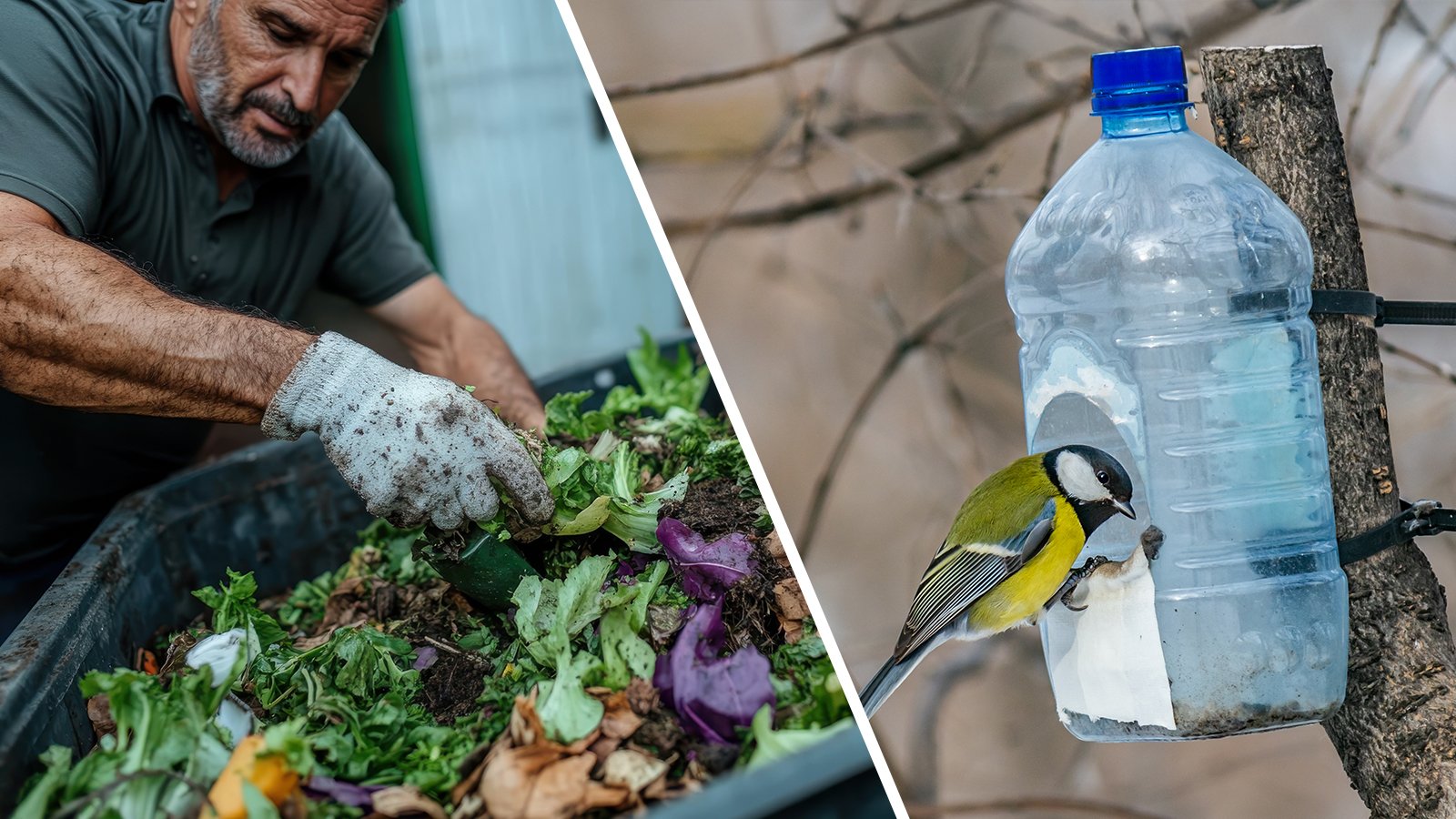


Learn 10 practical life hacks to turn everyday waste into resources and boost your positive environmental impact.
Turning waste into resources is one of the simplest ways to save money, reduce your environmental footprint, and feel good about the choices you make every day.
Whether it’s composting kitchen scraps, upcycling old furniture, or making homemade cleaners from citrus peels, small changes at home can add up to a real impact.
In this article you’ll find 10 practical life hacks that make sustainable living easy, creative and truly rewarding.
10 life hacks to turn waste into resources
🌱 1. Composting organic waste
Kitchen scraps Vegetable peels, coffee grounds, and egg shells often end up in landfills, but they’re actually gold for your garden! Fertilization transforms them To a nutrient-rich soil, ideal for growing plants and flowers. The average household can divert up to 30% of its waste through composting alone.
How to start: Create a compost bin in your backyard, or use a compact indoor composting system if space is limited. Add organic matter in layers and turn the pile regularly to speed up the decomposition process. Balance green materials (fruit and vegetable scraps) with brown materials (dry leaves and cardboard) for best results.
Key BenefitsComposting reduces household waste, enriches soil health, and reduces the carbon footprint. It is also a natural way to feed your plants without using chemical fertilizers.
🛋️ 2. Recycling old furniture
Instead of throwing away old furniture, breathe new life into it through recycling. You can save money, reduce waste, and give your home a unique, personal touch, all at once.
Ideas to try: You can turn an old ladder into a bookshelf, renovate a dresser into a kitchen island, or repaint a worn-out table for a new look. Sand and stain wood pieces to restore their beauty, or add decorative hardware to update their appeal.
Key Benefits: Upcycling keeps furniture out of landfills, conserves valuable resources, and allows your creativity to shine. There is real satisfaction in transforming something worn into something beautiful and functional.
🧱 3. Manufacture of environmental bricks from plastic waste
Plastic bottles and wrappers don’t have to end up in a landfill. You can pack them tightly into bottles to create eco-friendly, durable and sustainable building blocks used in real building projects around the world.
steps: Wash and dry the plastic waste, then squeeze it into clean, dry bottles using a stick. Continue filling until the bottle is firm and thick. Use finished bricks to build garden benches, walls, or other outdoor features.
Key Benefits: Ecobricks give non-recyclable plastic a second life instead of sending it to a landfill. They support environmentally friendly construction and assistance Reducing plastic pollution. It also makes you more aware of the amount of plastic you go through each week.
🍯 4. Convert glass jars into storage containers
Glass jars are incredibly versatile. Instead of throwing them away, reuse them as storage solutions for your kitchen, bathroom, or office – they work beautifully for dry goods, spices, or craft supplies.
Tips for use: Remove labels by soaking jars in warm, soapy water. Paint or decorate them to match your home decor, use them for homemade candles, or grow small succulents indoors for an effortless windowsill garden.
Key Benefits: Reusing glass jars reduces plastic packaging, keeps your spaces organized, and adds rustic charm to your home. Every container you reuse is one less thing heading to a landfill.
👜 5. Make reusable shopping bags from old clothes
Single-use plastic bags are easy to replace, and all you need is an old t-shirt. Turning old clothes into reusable shopping bags is a fun, low-effort project that’s better for the planet Best for your wardrobe.
How: Cut the T-shirt into the shape of a bag, then sew the bottom and reinforce the handles. Add fabric paint or iron-on stains to make it your own. Not sewer? Online no-sew tutorials make the process easier.
Key Benefits: These bags are durable, washable, and perfect for groceries or daily errands. You can reduce plastic pollution and give your old clothes a new, meaningful purpose.
☕ 6. Use coffee grounds as a natural fertilizer
Used coffee grounds are more than just waste. They are a Natural fertilizers Full of nitrogen and potassium that your plants will love.
How to use: Scatter coffee grounds around your plants, mix them with your compost, or soak them in water to create a liquid fertilizer. Roses, blueberries and tomatoes thrive with increased nitrogen, but it is important to monitor soil pH for plants that prefer neutral conditions.
Key Benefits: Coffee grounds boost soil fertility, reduce the need for chemical fertilizers, and reuse something you would otherwise wash down the drain. As a bonus, they help repel pests like slugs and ants.
🍋 7. Manufacture of cleaning products from citrus peels
Before you throw that away Citrus peelsKnow that it can become a powerful, natural all-purpose cleaner. No harsh chemicals, no plastic bottles – just a fresh-smelling home.
recipe: Soak citrus peels in white vinegar for two weeks, then filter and dilute with water to obtain an effective result All-purpose cleaner. Add a few drops of tea tree oil or lavender essential oil for extra cleaning power.
Key Benefits: You can reduce exposure to chemicals, reuse food waste, and leave your home smelling fresh. This cleaner works brilliantly on greasy surfaces, windows and stoves.
🍷 8. Turn wine corks into DIY coasters
If you enjoy a glass of wine, start saving those corks. They’re perfect for creating unique, functional coasters that protect your furniture and look great doing it.
How: Cut the corks in half lengthwise and glue them together in a circular pattern. Add a felt or cork backing for extra durability, then seal the surface with a waterproof finish to extend life.
Key Benefits: You can keep corks out of the trash, show off your crafting skills, and add a personal touch to your home. They also make thoughtful, eco-friendly gifts.
🐦 9. Making bird feeders from plastic bottles
Plastic bottles It can become a welcoming place for local wildlife right in your backyard. Building a bird feeder is a simple project that the whole family can enjoy.
steps: Make holes in the bottle, insert wooden perches and fill with bird seed. Decorate it to blend in with your garden, then hang it from a tree branch using string or sturdy wire.
Key Benefits: You can watch birds visit your garden while keeping plastic out of the trash. It encourages biodiversity and turns a few minutes of crafting into something that gives back good every day.
🌻 10. Designing agricultural pots from tin cans
Tin cans are perfect for DIY planters, and with a little creativity, they can brighten up any space, indoors or out. They are especially excellent for small spaces where a full garden is not an option.
directions: Clean the cans well, remove sharp edges, and then paint them with weather-resistant paint. Dig small drainage holes in the bottom, fill with soil, and add your favorite plants or herbs. Arrange them on windowsills, balconies or garden walls for a vibrant display.
Key Benefits: Tin can planters add greenery to your home, reduce waste, and cost almost nothing. Grow your own herbs or flowers without needing a large garden.

The importance of converting waste into resources
Converting waste into resources goes beyond personal benefits, it is a vital practice to ensure the health of our planet. Waste generation It has reached unprecedented levels, leading to overflowing landfills, environmental pollution, and the depletion of natural resources. By rethinking how we deal with waste, we can contribute to a more sustainable future.
Main reasons why this is important:
- Environmental protection: Reducing waste reduces pollution and preserves ecosystems.
- Economic value: Many waste materials can be reused and transformed into valuable products, supporting industries and creating jobs.
- Conserve resources: Converting waste into resources reduces the need to extract raw materials, conserving limited resources for future generations.
Adopting these practices not only creates a cleaner environment, but it inspires a culture of innovation and responsibility. Whether at the individual or societal level, the shift towards sustainable waste management is a step towards a brighter and more efficient future. A greener future.
Frequently asked questions
What’s the easiest way to start turning waste into resources at home?
Composting is the easiest entry point. All you need is a small box and your kitchen scraps. It requires minimal effort and delivers instant results for your garden.
Can recycling really save money?
Yes. Reusing old furniture, jars, and clothing means you spend less on storage solutions, home decor, and shopping bags. Small savings across multiple regions add up quickly.
What household waste is best to compost?
Fruit and vegetable scraps, coffee grounds, egg shells, and dry leaves are ideal. Avoid meat, dairy products and oily foods, as they attract pests and slow the decomposition process.
How does eco-brick help the environment?
They keep non-recyclable plastic out of landfills by compressing it into a solid, reusable building material. Communities around the world use ecobricks for benches, garden walls and small structures.
Is it safe to use ground coffee on all plants?
Not all plants like ground coffee. Acid-loving plants such as roses, berries and tomatoes thrive with it. For plants that prefer neutral or alkaline soil, use the ground sparingly or ignore it completely.

Final thoughts
Converting waste into resources is more than just a practical endeavour; It’s a mindset shift that promotes positivity and resilience. These simple life hacks prove that sustainability can be creative, fun, and very rewarding. By adopting these practices, you are not only helping the planet, but you are also creating a lifestyle rooted in resourcefulness and purpose.
So, take a moment today to think about the waste around you. What can you repurpose? How can you contribute to a greener and more sustainable future? Remember, every small step makes a big difference. Let’s turn waste into resources and inspire others to do the same.

