

Have you ever finished a meal, even a healthy one, and suddenly felt like you swallowed a balloon? This uncomfortable tightness, embarrassing gas, and general feeling of indigestion can ruin an enjoyable dining experience. If you nodded, you’re not alone. Millions of people suffer from these specific problems every day. The good news is that you don’t have to live with it. The solution does not have to be found in the pharmacy, but in your daily habits. By understanding the root causes of your discomfort and making a few simple, consistent changes, you can achieve significant relief in less than a week. It’s not about restrictive diets or complicated protocols; It’s about working with your body’s natural digestive processes. Get ready to discover six powerful, easy-to-implement habits that will help you restore your digestive health and feel great after every meal. (Based on the insights of Dr. Vivek Joshi)
Key takeaways
- Chew fennel seeds: Incorporate this ancient tradition after meals to benefit from fennel’s natural compounds that relieve gas and aid digestion.
- Practice mindful chewing: Slowing down and chewing food well is the first and most important step in the digestion process, reducing the burden on your stomach.
- Use apple cider vinegar strategically: For those without ulcers, a diluted dose of apple cider vinegar can help balance stomach acid levels, a common cause of indigestion.
- Embrace gentle movement after a meal: A short walk or a specific yoga pose such as Vajrasana can stimulate digestion and help regulate blood sugar.
- Rethink mealtime drinks: Avoid diluting digestive juices with excess water; Choose digestive aids such as yogurt or herbal tea instead.
- Eat two fruits daily: Harness the power of fiber and natural enzymes found in fruits to promote regular bowel movements and a healthy bowel.
1. Embrace the power of fennel seeds
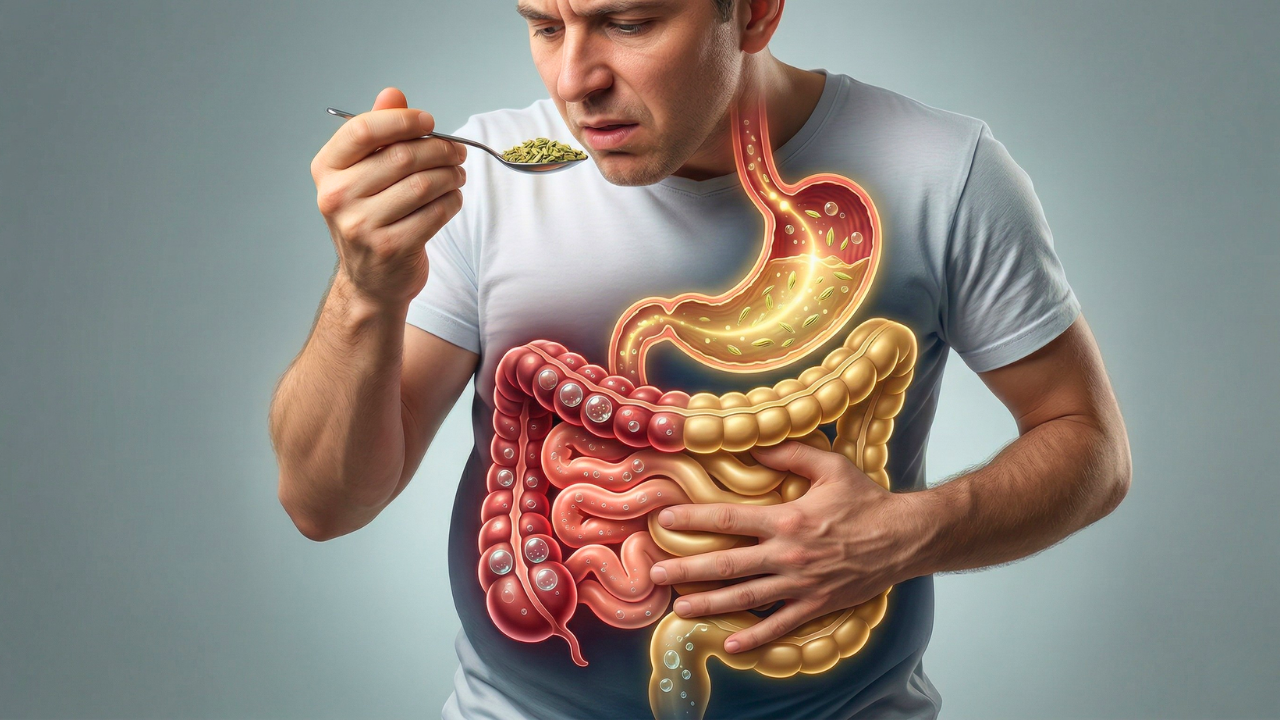
In many Asian countries, it is a time-honored tradition to chew a teaspoon of fennel seeds after a meal. This isn’t just a strange habit to freshen your breath; It is a powerful digestive remedy backed by centuries of use. Fennel seeds are a carminative herb, which means they are exceptionally effective in preventing or relieving flatulence. They contain powerful volatile oils, including anethole, fenchone, and estragole, which have antispasmodic and anti-inflammatory properties. These compounds work by relaxing the smooth muscles in the digestive tract, allowing trapped gases to pass easily and relieving the painful cramping and bloating that often accompanies it. When you chew about a teaspoon of these seeds after lunch and dinner, you start this soothing process. Make sure to chew well to release the essential oils, then swallow the whole thing, including the coarse fibers. This remaining fiber is not wasted; It acts as a prebiotic, serving as food for the beneficial bacteria in your gut. A thriving community of gut bacteria is your first line of defense against all types of digestive problems. So, by chewing fennel seeds, you are not only getting immediate relief, but you are also investing in your gut health in the long term.
2. Master the art of mindful chewing
This may be the most basic piece of advice you’ve ever heard, but it’s also the most overlooked piece of advice in our fast-paced world. Digestion does not begin in your stomach; It starts the moment you put food in your mouth. Your teeth decompose mechanically, while your saliva begins to decompose chemically. Saliva contains an important enzyme called amylase, which begins the digestion of carbohydrates right in your mouth. When you eat in a hurry and swallow large, poorly chewed pieces of food, you’re skipping this crucial first step. This forces your stomach to work overtime, trying to break down pieces of food that it wasn’t designed to handle. This extra workload can cause food to stay in your stomach for too long, where it can ferment and produce excess gas, leading directly to that bloated feeling. To fix this, you need to become a more conscious eater. Sit back, relax, and focus on your meal. Set your fork down between bites. Aim to chew each bite 20 to 30 times, or until the food becomes a liquid consistency. This simple procedure ensures that your food is well mixed with saliva and its enzymes, making the entire digestive chain you follow smoother and more efficient.
3. Balance your system with apple cider vinegar
It may seem counterintuitive to eat something acidic to treat indigestion or reflux, but for many people, the problem isn’t too much stomach acid, but too little. This condition, known as hypochlorhydria, means that your stomach is not acidic enough to properly break down proteins or kill harmful bacteria and yeast that may have gotten into your food. When food is not digested properly, it can lead to gas, bloating, and reflux. Apple cider vinegar (ACV) It can serve as a simple and effective treatment. By introducing a mild acid, you can help raise your stomach’s pH to the optimal level needed for digestion. It works like a charm for many. However, this comes with a very important warning: if you have a stomach ulcer, you should avoid this treatment, as it can cause significant pain and irritation. For others, the method is simple. Mix 1 tablespoon of raw, unfiltered apple cider vinegar (the “mother” type) in a cup containing about 250 ml of warm water. Drink this mixture when you feel symptoms of indigestion. To protect your tooth enamel from acid, it is always best to drink it through a straw. Think of apple cider vinegar not as a daily supplement, but as a powerful medicine that you can use whenever you need it.
4. Move after your meal
There’s a strong desire to sit on the couch and relax after a big meal, but a little gentle movement can make a big difference to your digestion. You don’t need to go to the gym or go for a run; In fact, strenuous exercise can divert blood away from your digestive system. Instead, aim for light activity. A simple walk for 10 to 15 minutes is ideal. Walking helps stimulate peristalsis, which are the wave-like muscle contractions that move food through the digestive tract. This prevents food from stagnating and causing discomfort. Movement also has a profound effect on blood sugar. When you eat, blood glucose levels rise. By engaging your muscles in light activity like walking, you help them absorb excess glucose from your bloodstream, preventing insulin spikes that can interfere with digestion and contribute to energy breakdown. If you can’t walk, even simple movements like leg raises or gentle stretching at your desk can help. For targeted digestive help, try Vajrasana (bolt bolt) yoga pose. Simply kneel on the floor and sit on your heels. This position changes blood flow, directing more of it to the digestive organs and greatly enhancing their function. Sitting in this position for just 5-10 minutes after a meal can be incredibly effective.
5. Rethink your mealtime drinks
We’re often told to drink plenty of water, but timing is everything. Drinking large amounts of water before or during your meal can be counterproductive. Hydrochloric acid can dilute the digestive enzymes in your stomach, making them less effective and hindering their ability to digest food effectively. While sipping a small amount of water is fine, you should avoid drinking full glasses. Instead, consider switching to drinks that effectively support digestion. The best option during the day is traditional yogurt. It’s rich in probiotics, which are beneficial bacteria that support a healthy gut microbiome. Adding a pinch of roasted cumin powder can enhance its digestive properties. At night, you can try a fermented drink like kanji, or simply warm herbal tea. Make sure to choose tea that is naturally caffeine-free. Peppermint tea is excellent for soothing stomach muscles and relieving spasms, ginger tea is a powerful anti-inflammatory that helps with mobility, and chamomile tea can help calm the nervous system, which is closely linked to gut health. Making this simple exchange can have a surprisingly big impact on how you feel after eating.
6. Nourish your intestines with two fruits a day
This advice sounds simple, but its implications are profound. Eating two whole fruits each day provides your body with a great source of vitamins, antioxidants, and, most importantly for digestion, fiber. Fruits contain soluble and insoluble fiber, which work together to keep your digestive system running smoothly. Soluble fiber dissolves in water to form a gel-like substance that helps soften stool, while insoluble fiber adds bulk and bulks up the intestines, promoting regular bowel movements and preventing constipation. Furthermore, some fruits contain natural digestive enzymes. Papaya contains papain and pineapple contains bromelain, both of which are excellent at helping the body break down proteins. For best results, try to eat fruit on an empty stomach or between meals and not right after eating a large meal, as this can sometimes lead to fermentation and gas. By incorporating a variety of colorful fruits into your daily routine, you’re not just getting fiber; You are providing your body with a wide range of nutrients that support overall health and a happy, functioning digestive system.
conclusion
Feeling good after eating shouldn’t be a luxury; It should be your normal experience. The discomfort of gas, bloating, and indigestion is a signal from your body that something is out of balance. As you have seen, re-establishing this balance does not require radical measures. By incorporating these six simple, natural habits—from chewing fennel seeds to taking a gentle walk after a meal—you’re giving your body the support it needs to properly digest food. Start by choosing a tip or two that seems easiest to implement, and pay close attention to how your body responds. Small, consistent changes are the key to lasting relief and a healthier, happier gut.

