
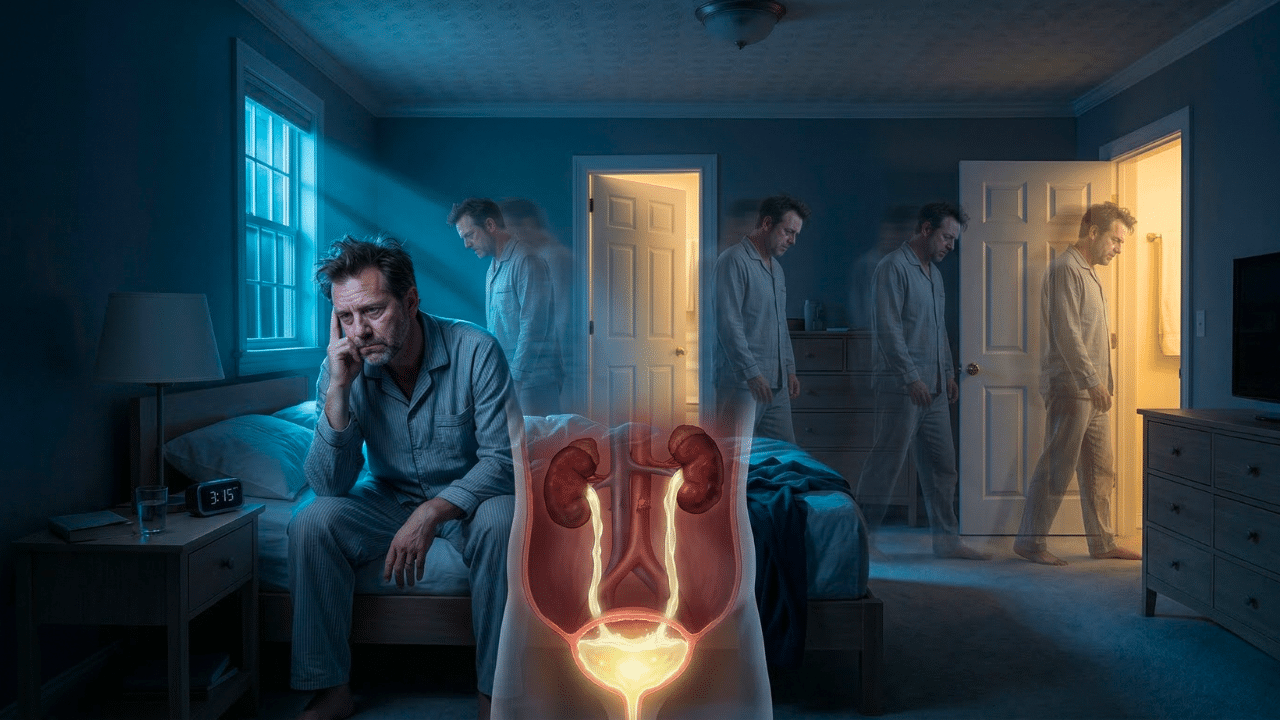


Most people don’t think about their kidneys until something goes catastrophically wrong. They’re just those two bean-shaped organs in your back that you probably learned about briefly in school and then forgot about. But your kidneys do extraordinary things every day. It filters about 200 liters of blood, removes toxins, regulates fluid balance, maintains electrolyte levels, produces important hormones, and keeps your entire system in balance. When you start to fail, your whole body starts to break down.
The real tragedy is that early kidney disease is largely preventable and controllable if you catch it in time. The problem is that most people don’t catch it early because they don’t know what to look for. Symptoms are subtle and easy to ignore. By the time they become apparent, significant and often irreversible damage has already been done. The warning signs have likely been there for months or even years, but no one has connected the dots. No one realized that constant fatigue, foamy urine, or unexplained swelling were not just normal parts of aging or stress, but were early distress signals of kidney failure. Today, we’re going to change that. Your kidneys can’t talk to you directly, but they send signals. Let’s learn how to read it. (Based on opinions by Dr. Alex Webberley)
Key takeaways
- Early detection is crucial: Chronic kidney disease is a progressive disease, but detecting it early can significantly slow its decline, preserving your quality of life.
- Look for patterns: There may not be a single symptom that is worrisome, but a combination of these signs, especially if you have risk factors such as diabetes or high blood pressure, warrant a visit to the doctor.
- Foamy urine: A persistent foam that resembles dish soap can indicate protein (albumin) leakage from damaged kidney filters.
- Swelling (edema): Puffy eyes and swollen ankles are classic signs that the kidneys are failing to regulate fluid and protein levels.
- Profound fatigue: The profound and persistent fatigue that coffee cannot cure may be anemia caused by a decreased ability of the kidneys to produce the hormone that signals the formation of red blood cells.
- Nocturia (nocturia): If you wake up several times at night to urinate, it may mean that your kidneys have lost their ability to concentrate urine during sleep.
- Muscle cramps and itchy skin: These seemingly unrelated symptoms can be direct results of electrolyte imbalance and waste buildup resulting from poor kidney function.
1. Persistent foamy urine
Let’s start with a bathroom observation that most people ignore: Foamy urine. Occasional foaming is normal, especially if you’re urinating forcefully or are slightly dehydrated. But if you always see foam that doesn’t dissipate quickly — foam similar to what you see with dish soap — that’s a red flag. This is a common sign of proteinuria, which means there is a large amount of protein in the urine.
Here’s what’s happening at the microscopic level. Your kidneys contain millions of tiny filtering units called nephrons. Each nephron contains an advanced filter designed to allow waste to pass into the urine while retaining larger, valuable molecules such as protein in the blood. When these filters are healthy, almost no protein passes through them. But when damaged by conditions like DiabetesOr high blood pressure or inflammation, and it starts leaking. Proteins, especially those called albumin, leak into the urine. When you urinate, these proteins act as surfactants (just like soap), creating a stable foam. This is not just a sign of damage. The protein itself can cause more inflammation in the kidneys, creating a vicious cycle. If you notice this, see your doctor. A simple urine test can detect the protein and begin the process of finding out what’s causing it.
2. Swelling in the ankles and feet
Many people are to blame Ankle swellingor edema, when standing for a long time or in hot weather, but it can be one of the first obvious signs of kidney problems. This symptom is directly related to the protein loss we just discussed. When protein leaks into the urine, the protein level in the blood decreases. This protein, especially albumin, acts like a sponge, creating pressure that keeps fluid within the blood vessels.
When the level of albumin in the blood decreases, this pressure drops, and fluid leaks into the surrounding tissue. Gravity naturally pulls this excess fluid into your lower extremities, which is why you first notice swelling in your ankles and feet. As your kidney function deteriorates, this swelling can progress up your legs and eventually affect your hands and face. There is another mechanism at play as well. Damaged kidneys struggle to excrete sodium efficiently. Since water follows sodium, your body retains more water, which contributes to swelling. If you have persistent swelling that leaves a hole when pressed (pitting edema), this is a worrying sign and requires investigation.
3. Unexplained profound fatigue
Fatigue is incredibly common and has countless potential causes, making it easy to rule out. However, exhaustion Related to various kidney diseases. It is a profound and persistent fatigue driven by a specific mechanism: anemia. The kidneys do more than just filter waste; They also produce an important hormone called erythropoietin, or EPO. EPO sends signals to the bone marrow to make red blood cells that carry oxygen throughout the body.
When the kidneys are damaged, they produce less EPO. With low EPO, your bone marrow produces fewer red blood cells, and you become anemic. Anemia means your blood has less ability to carry oxygen, so your muscles and brain don’t get the oxygen they need to function optimally. This is not the kind of fatigue that a cup of coffee can fix. It’s a profound fatigue that makes even simple tasks seem exhausting. You may feel short of breath with the slightest effort or have difficulty concentrating. Because it develops gradually, you may tell yourself that you are getting older or feel stressed. By the time the anemia becomes severe enough for testing, kidney damage may have already occurred.
4. Waking up to urinate at night (nocturia)
As kidney disease progresses, you may find yourself making frequent trips to the bathroom during the night. This is known as nocturia. Healthy kidneys have a wonderful trick: they concentrate urine while you sleep. Your body produces antidiuretic hormone (ADH) at night, which tells your kidneys to reabsorb more water and produce less urine so you can sleep uninterrupted. This is why your urine first thing in the morning is darker and more concentrated.
When kidney function declines, the ability to concentrate is lost. Damaged tubules in the kidneys cannot respond properly to ADH signals, so they cannot reabsorb water efficiently. The result is that your kidneys continue to produce large amounts of dilute urine throughout the night, and your bladder fills frequently, waking you up. Waking up once every night if you’re over 50 is relatively common. But if you’re waking up three, four, or even five times a night, and this pattern is new or getting worse, it’s a sign that the regulatory function of your kidneys is struggling.
5. Puffy eyes in the morning
This sign is directly related to the fluid retention we discussed earlier, but appears in a specific way: puffy eyes, especially upon waking. The medical term is periorbital edema. The skin around your eyes is some of the thinnest and most elastic on your body, making it a prime site for fluid buildup to become visible.
When you lose protein through the kidneys and albumin levels in the blood drop, fluid leaks from the blood vessels. During sleep, when you lie horizontally, this fluid doesn’t just collect in your ankles; It is distributed more evenly throughout the body. The soft, sensitive tissues around your eyes easily absorb this fluid, leading to puffiness that is most noticeable when you first wake up. This swelling usually affects both eyes and may improve when you stand up and gravity pulls the fluid down. Of course, allergies or lack of sleep can also cause puffy eyes. But if it’s persistent and accompanied by other signs such as foamy urine or swollen ankles, kidney disease is a strong possibility.
6. Frequent muscle cramps
This symptom seems completely unrelated to your kidneys at first glance, but it is often a direct result of a regulatory dysfunction. The kidneys are among the most important chemists, responsible for maintaining a delicate balance of electrolytes such as sodium, potassium, calcium, and magnesium. These minerals are necessary for proper nerve signaling and muscle contraction.
When kidney function declines, this balance is disturbed. Electrolyte levels can become too high or too low, disrupting the electrical signals that control your muscles. This can lead to rapid, involuntary muscle contractions that do not relax, in other words, cramps. Low calcium can make muscles hyperexcitable, while low magnesium impairs muscle relaxation. Potassium imbalances can also disrupt nerve and muscle activity. Cramps associated with kidney disease are often more severe and frequent than typical exercise-related cramps, and often occur while resting, especially at night. It may also be accompanied by weakness, numbness or tingling.
7. Constant skin itching
Perhaps the most unexpected symptoms of all are the severe symptoms Itchy skinknown as uremic pruritus. As kidney function declines, waste products that must be filtered from the blood begin to accumulate. Some of this waste can become deposited in your skin, where it causes inflammation and a strong itching sensation. The mechanism is complex. High thyroid hormone levels, chronic inflammation, and even nerve dysfunction all play a role.
Furthermore, failing kidneys struggle to regulate fluid balance, which can lead to overall dry skin, even if you have fluid retention elsewhere in the body. Dry skin is naturally more prone to itching. What makes this type of itch so annoying is that it is often widespread, severe, and resistant to conventional treatments such as moisturizers or antihistamines. It can be debilitating, interfere with sleep, and severely impact your quality of life. If you have persistent, unexplained itching that doesn’t go away, especially with other risk factors, it’s important to have your kidney function checked.
conclusion
What these seven warning signs have in common is that they represent different aspects of kidney dysfunction that manifest in observable ways. From damaged filters that cause foamy urine to regulatory failure that leads to swelling and cramps, your body is giving you clues. Having one of these symptoms in isolation does not guarantee that you have kidney disease, but they are signs worth paying attention to. If you notice a pattern, especially if you have risk factors such as diabetes, high blood pressure, or a family history of kidney problems, it’s time to act.
The earlier kidney disease is detected, the more you can do to slow it down and stay healthy. Tragedy awaits until you face dialysis or a kidney transplant. At that point, you are only managing the crisis, not preventing it. Now you know what to look for and what these signs mean. Your kidney sends signals about its internal state. The question is will you listen?
source: Dr. Alex Webberley

