

 Reviewed by Dr. Michael Kessler, DC – Quercetin is an antioxidant compound that helps give foods their color. It is a member of the flavonoid family, which means it is a phytonutrient, or plant chemical. As such, quercetin benefits are wide-ranging.
Quercetin, like many other flavonoids, is found in almost all fruits, vegetables, and other plant foods. It is one of the most abundant antioxidants available, and can play an important role in protecting your body from harmful free radicals.
Free radicals are compounds in the body that can damage cells to cause disease. Antioxidants like quercetin fight “oxidative” stress caused by free radicals to encourage better health and prevent disease.
Quercetin may help reduce inflammation, combat allergy symptoms, boost immune strength, and more.
Benefits and uses of quercetin
People use supplemental quercetin for several reasons. Although there is not always sufficient evidence that it will produce results, it is generally an affordable and attractive form of treatment for many.
However, quercetin supplements are not always safe and should only be taken under the advice of a doctor.
If you are interested in the following potential benefits of quercetin, look to increase your intake through dietary measures.
May reduce inflammation
Free radicals can lead to inflammation, which quercetin can help silence. Studies have shown that quercetin may help reduce inflammation, which may not be surprising, given that it is found in anti-inflammatory fruits and vegetables.
One study showed that women with rheumatoid arthritis, an inflammatory condition that causes severe joint pain and stiffness, reported less stiffness and pain than those who took a placebo. They also had lower levels of inflammatory markers after taking 500 milligrams of quercetin daily for eight weeks.
These results are promising, but it was a small study and more work is needed to uncover any specific anti-inflammatory medical uses for quercetin.
May relieve allergy symptoms
There is some research suggesting that quercetin’s potential anti-inflammatory abilities can also help relieve allergy symptoms.
Some test-tube and animal studies have shown that quercetin may:
- Blocking enzymes involved in inflammation
- Suppressing chemicals that promote inflammation
One chemical that promotes inflammation is histamine, a common compound involved in the local immune response. It is responsible for itching and sneezing during an allergic reaction.
More research is needed to determine if quercetin can help tame allergic reactions in humans.
It may affect the risk of Alzheimer’s disease and dementia
A diet rich in antioxidants is also associated with improved cognition and a lower risk of Alzheimer’s disease and dementia. Studies in mice suggest that quercetin may improve learning and brain function in the early-intermediate stages of Alzheimer’s disease.
A lack of human studies means that taking quercetin for cognitive function is not currently recommended. However, eating a nutritious vegetarian diet, which contains plenty of quercetin, is a good thing.
It may help lower blood pressure
There is also some research highlighting the potential effect of quercetin on blood pressure.
A review of nine human studies found that taking more than 500 mg of quercetin daily can help reduce systolic and diastolic blood pressure by an average of 5.8 mmHg and 2.5 mmHg, respectively.
Any blood pressure-lowering benefits offered by quercetin are certainly due to its potential anti-inflammatory abilities.
Quercetin is found in a variety of foods that fit perfectly into a heart-healthy diet.
Best sources of quercetin
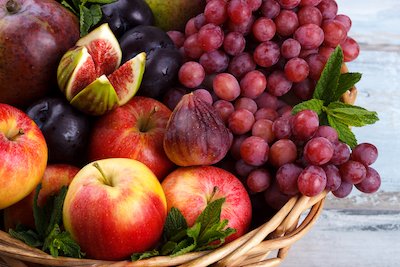
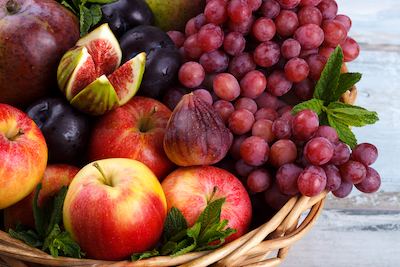
Some of the best quercetin foods are:
- Red apple
- red grapes
- capers
- onion
- Fig
- Red leaf lettuce
- Yellow and green peppers
- Leek
- Cooked asparagus
- Cherry
- Tomatoes
- broccoli
- Kale
- Berries (including cranberries, blackberries, blueberries, raspberries, etc.)
- Green and black tea
Food is the best source of quercetin. The above benefits are synonymous with the benefits of a healthy diet featuring an array of colorful fruits and vegetables rich in healthy flavonoids, vitamins and minerals.
Quercetin is also available as a supplement in highly concentrated doses. You can buy it in capsule or powder form, and doses generally range between 500 and 1,000 mg per day.
Although supplemental doses are high, quercetin is not highly bioavailable on its own. This means that it is not well absorbed by the body. It is estimated that only between 3% and 17% are absorbed.
You will get the most benefit from quercetin in its natural state. Consuming it through foods allows quercetin to work synergistically with other flavonoids for optimal absorption.
Quercetin side effects and risks
Quercetin is considered safe to consume when derived from natural food sources. Dietary supplements are generally safe, but they can lead to symptoms or risks in certain cases.
Taking more than 1,000 mg per day may result in headache, stomach pain, and tingling in the extremities.
Very high doses may cause kidney damage. It’s also possible that quercetin supplements may worsen kidney problems.
There is also little research examining the potential long-term effects of taking quercetin supplements.
It is always recommended to speak with your doctor before starting any supplement regimen for any reason.
Take your quercetin for best results
Instead of focusing your attention on a specific flavonoid like quercetin, it may be helpful to focus on eating more nutritious foods. Quercetin is found in a wide variety of colorful fruits and vegetables that are packed with plenty of antioxidants that promote health in many ways.
Simply eating more of these foods and limiting your intake of refined and processed foods can likely add up to whatever benefit you’re looking for. The more holistic nutrition in your diet, the better.
Article sources (+)
Chirombolo, S., “Quercetin as a potential anti-allergy drug: what are the perspectives?” Iran Journal of Allergy, Asthma and Immunology, June 2011; 10(2):139-40; https://pubmed.ncbi.nlm.nih.gov/21625024/last accessed November 30, 2020.
Sabogal-Guaqueta, A., et al., “The flavonoid quercetin attenuates Alzheimer’s disease pathology and protects cognitive and emotional function in triple transgenic Alzheimer’s disease model mice,” Neuropharmacology, June 2015; 93: 134-45; https://pubmed.ncbi.nlm.nih.gov/25666032/last accessed November 30, 2020.
Serban, M., et al., “Effects of Quercetin on Blood Pressure: A Systematic Review and Meta-Analysis of Randomized Controlled Trials,” Journal of the American Heart Association, July 2016; 5(7):e002713; https://pubmed.ncbi.nlm.nih.gov/27405810/last accessed November 30, 2020.
Li, Y., et al., “Quercetin, Inflammation and Immunity,” Nutrients, March 2016; 8(3): 167; https://www.ncbi.nlm.nih.gov/pmc/articles/PMC4808895/last accessed November 30, 2020.
Raman R., “What is Quercetin? Benefits, Foods, Dosages and Side Effects,” Healthline, July 1, 2020; https://www.healthline.com/nutrition/quercetinlast accessed November 30, 2020.
“Quercetin,” WebMD, 2020; https://www.webmd.com/vitamins/ai/ingredientmono-294/quercetinlast accessed November 30, 2020.

