


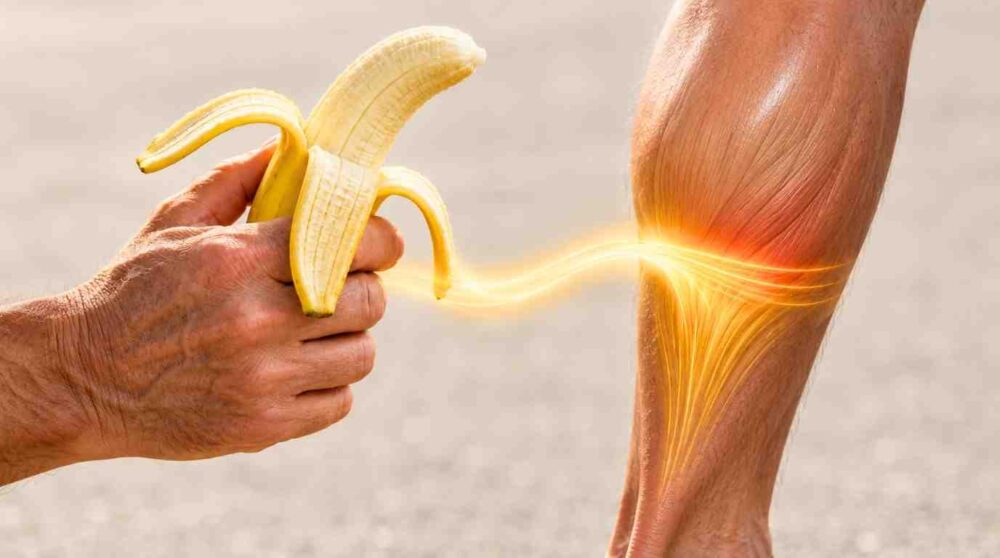
Athletes, bodybuilders and health-conscious people alike tend to eat bananas regularly, and there is real substance behind this habit. This simple and affordable fruit supports the body in many different ways, and here’s what really happens when bananas become part of your daily routine.
Key takeaways
- Bananas provide steady, natural energy through glucose, fructose and sucrose, without the crash associated with processed sugary snacks.
- The high potassium content supports healthy blood pressure by helping with sodium balance and relaxing blood vessels.
- Fiber, including resistant starch found in less-ripe bananas, supports digestion and feeds beneficial gut bacteria.
- Potassium and magnesium support muscle recovery and may help reduce cramps, especially after exercise.
- People with kidney disease or who are on a low-potassium diet should check with a doctor before increasing their potassium intake.
1. Natural energy without breakdown
Banana Rich in natural carbohydrates – glucose, fructose and sucrose – which provide quick, sustained energy without the crash associated with many processed snacks. This is part of the reason why athletes and fitness enthusiasts eat bananas before or after workouts. Bananas also contain vitamin B6, which helps the body convert food into usable energy more efficiently, providing a cleaner alternative to sugary energy drinks or processed snacks.
2. Supports heart health and healthy blood pressure
Bananas are high in potassium, a mineral that helps regulate blood pressure and supports healthy heart function. Since many people consume excess sodium from processed foods, which can raise blood pressure and strain the heart, potassium helps balance sodium levels and relax blood vessels, reducing stress on the cardiovascular system. Eating bananas regularly may support healthy circulation and help reduce the risk of high blood pressure over time.
3. Improves digestion and intestinal health
Bananas contain dietary fiber, including pectin and resistant starch, which supports smooth digestion and regular bowel movements. Unripe bananas in particular are rich in resistant starch, a type of fiber that feeds beneficial gut bacteria — and healthy gut bacteria are linked to improved digestion, immune function, and even mood. Bananas are also gentle on the stomach, which is part of the reason they are often recommended during digestive upset.
4. It helps muscles recover and reduces cramps
Bananas provide potassium and magnesium, two electrolytes necessary for proper muscle contraction and relaxation. Low electrolyte levels They are a common cause of cramps, tightness, or muscle fatigue, which is why many people eat bananas after exercise or extended physical activity. Natural carbohydrates also help replenish energy stores after exercise, supporting recovery – suitable for both active adults and older individuals looking to maintain strength and mobility.
5. Boosts mood and supports brain health
Bananas contain tryptophan, an amino acid that the body uses to produce serotonin, which is often referred to as the feel-good chemical involved in regulating mood and emotional well-being. the Vitamin B6 Bananas also support brain function and neurotransmitter production. Eating bananas regularly may help reduce stress and improve mood and mental focus – although bananas are not a cure for anxiety or depression, they can be part of a wider healthy lifestyle that supports the body and mind.
Maintain balance
For most people, eating one banana daily is considered safe, healthy and beneficial. However, people with kidney disease or those on a low-potassium diet should speak with a health care professional before increasing their potassium intake, since the high potassium content in bananas that benefits most people can be a concern for those specific groups. Bananas also work best as part of a broader pattern that includes a balanced diet, regular exercise, adequate hydration, and good sleep — not as a standalone treatment.
Bottom line
A daily banana can support better energy, improved digestion, stronger muscle function, better heart health, and even a healthier mood — a beneficial payoff for one simple, inexpensive fruit.
Frequently asked questions
Is it safe to eat bananas every day?
For most people, yes, one banana a day is safe, healthy and beneficial. People with kidney disease or who are on a low-potassium diet should see a health care professional first, because bananas are high in potassium.
Are unripe or ripe bananas better for gut health?
Unripe bananas are particularly rich in resistant starch, a type of fiber that feeds beneficial gut bacteria, while ripe bananas contain more readily available natural sugars. Both can support a healthy diet.
Can bananas help treat muscle cramps?
They may be beneficial, because bananas provide potassium and magnesium, which are electrolytes involved in proper muscle contraction and relaxation. Low electrolyte levels are a common contributor to cramping and muscle fatigue.
Can bananas replace treatment for anxiety or low mood?
No, bananas contain tryptophan and vitamin B6, which support serotonin production and brain function, and can be part of a healthier lifestyle — but they are not a cure for anxiety or depression.
Quick start checklist
- ☐ Add one banana to your daily routine
- ☐ Eat bananas before or after exercise for energy and recovery
- ☐ Choose a less ripe banana for more starch and gut benefits
- ☐ Combine with a balanced diet, exercise, hydration and good sleep
- ☐ Consult your doctor first if you have kidney disease or a low-potassium diet
Disclaimer: This article is for general informational purposes only and is not a substitute for professional medical advice, diagnosis, or treatment. If you have kidney disease or are on a low-potassium diet, check with your doctor before increasing your potassium intake.

