


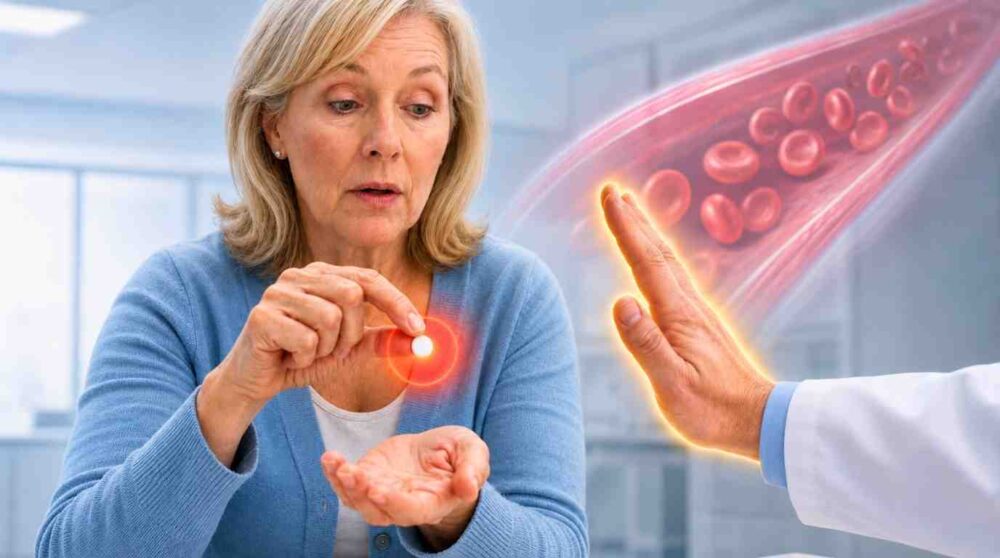
Cardiovascular disease remains the number one health concern worldwide, and you’ve probably heard claims about aspirin’s ability to help prevent heart attacks. But how does it actually work inside the body to keep the arteries clean, and when is it appropriate to take it? Here’s what’s really happening, and what current medical guidelines say. (Based on Dr. Mandel’s insights)
Key takeaways
- Aspirin reduces clot formation by inhibiting the enzyme that produces thromboxane, which normally causes platelets to stick together.
- A low daily dose (about 81 mg) is normal for heart health, but aspirin isn’t right for everyone — the risk of bleeding and other medications is significant.
- The benefit of aspirin is strongest for secondary prevention (people who have previously had a heart attack or stroke); For primary prevention, guidelines have shifted toward more caution due to the risk of bleeding.
- Chewing regular strength aspirin (325 mg) can help during a suspected heart attack while waiting for emergency care.
- A heart-healthy diet, regular activity, and blood sugar management remain the foundation of cardiovascular prevention — and aspirin is one tool, not a substitute.
What aspirin actually does
Aspirin is a well-known medication commonly used to relieve pain and reduce inflammation, but it’s its role in cardiovascular health where it really shines. Aspirin It is classified as a non-steroidal anti-inflammatory drug (NSAID) and is well known for its blood-thinning properties. This ability to prevent platelets from clumping together is crucial for reducing the risk of blood clots, which can lead to clogged arteries.
How does aspirin help open clogged arteries?
When you take aspirin, it targets an enzyme called cyclooxygenase. By inhibiting this enzyme, aspirin reduces the production of thromboxane, a chemical that encourages platelets to stick together and form clots. This helps keep blood flowing smoothly and reduces the risk of clogged arteries.
Think of your arteries as a network of highways. Over time, cholesterol and other substances build up, forming plaques that narrow these pathways. Aspirin acts as a traffic controller, helping blood flow smoothly and preventing these plaques from causing a complete blockage.
Typical low dose regimen
For heart health, doctors often recommend a low-dose aspirin regimen, usually about 81 milligrams per day — known as “baby aspirin.” This dose is generally sufficient to provide cardiovascular benefits while reducing the risk of side effects. Consistency is important here, so it is recommended to take aspirin at the same time every day. Some research suggests that taking it at night may provide an additional benefit, as platelet activity tends to be higher in the morning.
Aspirin is not suitable for everyone
While aspirin can be helpful, it’s not right for everyone. It is important to consult your healthcare provider before starting an aspirin regimen, especially if you have a history of gastrointestinal bleeding or ulcers, or are taking any other blood-thinning medication.
Aspirin is often recommended for people who have already had a heart attack or stroke, or who have certain risk factors for cardiovascular disease. However, for people without a history of heart disease, the risks — especially bleeding — may outweigh the benefits.
Secondary prevention versus primary prevention
Many cardiologists emphasize that aspirin’s benefits are most evident in secondary prevention, meaning it helps people who have already had a heart event or heart disease. For primary prevention, that is, preventing a first cardiovascular event in someone who does not have heart disease, the decision to use aspirin should be individualized, taking into account individual risk factors and potential side effects.
Medical guidelines have evolved as new research has emerged. Organizations such as the American Heart Association and the US Preventive Services Task Force have updated their recommendations over time. Aspirin was previously more widely recommended for primary prevention, but more recent evidence has led to greater caution due to the risk of bleeding. These changes highlight how important personalized medical advice on this topic is.
Aspirin during a suspected heart attack
If you suspect you or someone else is having a heart attack, taking an aspirin can be a crucial first step while you wait for emergency medical help. Aspirin works by inhibiting platelets, which can help prevent further clotting in the arteries. Chewing a regular-strength aspirin — about 325 milligrams — is often recommended because chewing allows the medication to enter the bloodstream more quickly. However, this is not a substitute for professional medical care, and it is necessary to follow the instructions of healthcare professionals or emergency responders in this case.
Lipoprotein A: Another important marker
Lipoprotein (a), often called “LP little a,” is a type of protein in the blood that can contribute to the buildup of plaque in the arteries, leading to atherosclerosis. High levels of Lp(a) are a genetic risk factor for cardiovascular disease. Although there is no direct treatment to lower Lp(a) levels, doctors may recommend treatment with low-dose aspirin as part of a broader cardiovascular risk management strategy, especially when other risk factors are also present. This approach can help reduce the likelihood of clot formation and support overall heart health.
A proactive, heart-healthy lifestyle still comes first
When it comes to preventing clogged arteries, nothing beats a proactive approach. Maintaining a heart-healthy lifestyle is crucial, and this includes eating a balanced diet rich in fruits, vegetables, whole grains and lean proteins, while reducing saturated fats and added sugars. Regular physical activity, such as walking, cycling or swimming, helps maintain a healthy weight, lower blood pressure and improve blood sugar levels. Managing prediabetes and diabetes through diet, exercise, and medications when needed is also crucial. These lifestyle factors form the basis for reducing cardiovascular disease risk and supporting long-term heart health.
Bottom line
If you’re considering aspirin therapy, a key step is to have a conversation with your health care provider. They can help evaluate your individual risk factors and decide if aspirin is an appropriate option for you. What works for one person may not be the right choice for another. Aspirin can be a powerful tool in the fight against heart disease in the right circumstances — but this decision should always be made with your doctor.
Frequently asked questions
Should everyone take low-dose aspirin daily for heart health?
No, medical guidelines have shifted toward more caution about aspirin for primary prevention (in people without heart disease) because of the risk of bleeding. Whether this is appropriate depends on your individual risk factors, and is a conversation you should have with your doctor.
What is the difference between primary and secondary prevention with aspirin?
Secondary prevention refers to the use of aspirin in people who have already had a heart attack, stroke, or established heart disease, where the benefit is more apparent. Primary prevention refers to its use in people without a history of heart disease, where the decision is more individual.
What should I do if I think I’m having a heart attack?
Call emergency services immediately. Chewing a regular strength aspirin (325 mg) can be a helpful first step while waiting for help to arrive, but this does not replace emergency medical care.
What is lipoprotein (A) and why does it matter?
Lipoprotein(a) or Lp(a) is a protein that can contribute to plaque buildup in the arteries and is considered a genetic risk factor for cardiovascular disease. There is no direct treatment to lower it, but doctors may include low-dose aspirin as part of a broader strategy to manage risk when it is high along with other risk factors.
Quick start checklist
- ☐ Talk to your doctor before starting any aspirin regimen
- ☐ Mention any history of gastrointestinal bleeding, ulcers, or any other blood-thinning medications
- ☐ Ask whether your condition falls under primary or secondary prevention
- ☐ Take aspirin at a consistent time each day if prescribed
- ☐ Maintain a heart-healthy diet and get regular physical activity regardless
- ☐ Call emergency services immediately if you suspect you are having a heart attack
source: Dr. Mandel
Disclaimer: This article is for general informational purposes only and is not a substitute for professional medical advice, diagnosis, or treatment. Do not start, stop, or change your aspirin regimen without consulting your health care provider first. If you suspect you are having a heart attack, call emergency services immediately.

