


You’re standing in the produce aisle, and suddenly every green leaf looks a little suspicious. That’s a reasonable reaction at the moment, as cases of cyclosporiosis have risen to more than 6,000 nationwide, and health officials still haven’t identified a single confirmed source. Here’s what’s actually worth avoiding, what’s safe, and why.
Key takeaways
- No single food has been confirmed as the source of this year’s outbreak — but several foods have a track record of previous Cyclospora outbreaks that are worth knowing about.
- Cooking produce to 158°F completely kills the parasite, so cooked food is safe regardless of its source.
- Peeled fruit and commercially frozen products have never been linked to Cyclospora outbreaks.
- Washing produce helps, but Cyclospora is unusually good at sticking to surfaces — thorough washing reduces the risk, but doesn’t guarantee it.
What foods have a history with this parasite
Since investigators have not identified the source this year, there is not a single item to cross off your list. Instead, food safety experts point to foods that have caused Cyclospora outbreaks before, as a reasonable place to be more careful:
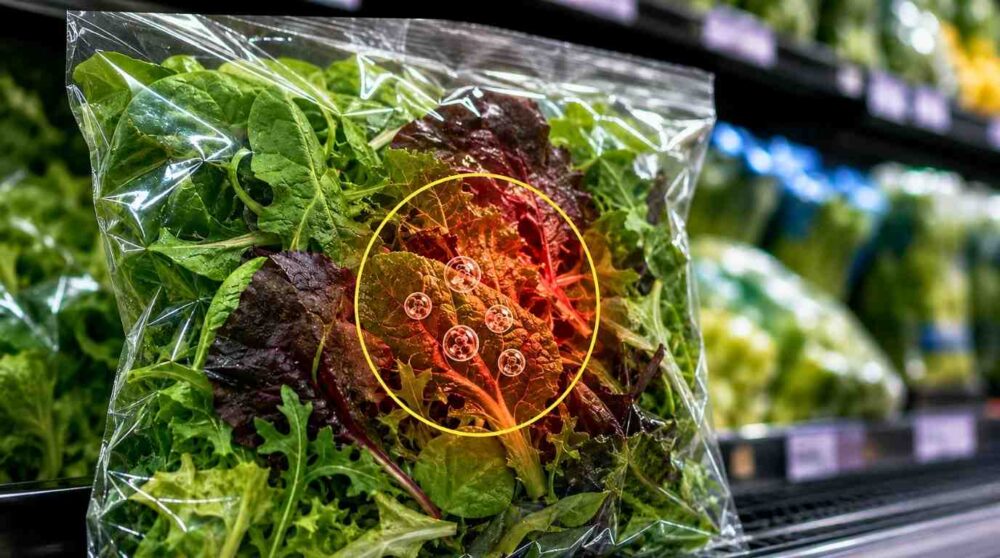
- Packaged lettuce and pre-mixed salad kits (Including mesclun mixes, coleslaw, and vegetable trays)
- Coriander and parsley
- Fresh basil
- Berries – Its bumpy surface makes it difficult to wash and clean
- Snow peas and green onions
None of these foods have been confirmed as this year’s cause specifically, they are foods with a history, not a rule. The Deputy Director of the Center for Disease Control noted that while… Cyclosporiasis Outbreaks have historically been linked to foreign travel, and recent years have seen a rise in cases linked to domestic and imported products, which is part of the reason why investigators are casting a wide net rather than scanning any one item.
Why these particular foods?
It has to do with how the parasite spreads and what makes it difficult to clean products completely. Cyclospora bacteria reach fruits and vegetables through soil or irrigation water contaminated with human feces, and attach to produce surfaces that are unusually fine for the parasite. Foods that are eaten raw, have porous surfaces (like berries or snow peas), or come pre-cut and packaged in bags (where contamination is more likely to spread before they get to you) are simply harder to completely disinfect than something you’ll peel or cook.
What is actually safe to eat
This is the part that tends to get lost in outbreak coverage: A lot of the products are still perfectly fine. Cooking any fruit or vegetable to an internal temperature of 158 degrees F completely destroys the parasite, and stir-fried vegetables, roasted root vegetables, and anything else cooked pose no risk. Peeled fruit is also clear; To date, no cases of cyclosporiasis have been linked to peeled fruits or commercial frozen products, including berries and frozen vegetables. If you crave fiber from produce, you usually eat raw, cooked or peeled options such as potatoes, sweet potatoes and yams, which are reasonable substitutes at the moment.
How to reduce your risks with anything you eat raw
If you’re not ready to give up salads and fresh berries, the CDC’s standard advice is still important: Wash your hands with soap and water before and after handling produce, wash all fruits and vegetables well under running water — even if they’re labeled as pre-washed — scrub tough produce like cucumbers and watermelon with a clean brush, and cut off any bruises or damaged spots before eating. None of this guarantees there is no risk with a parasite this persistent, but it does reduce it appreciably.
When do you see a doctor?
If you develop sudden, watery diarrhea — especially if it’s frequent or unusually severe — after eating raw produce in the past week or two, it’s a good idea to contact your health care provider and specifically request a Cyclospora stool test, because it’s not part of routine testing and the parasite doesn’t always show up in the first sample. The disease can be treated with antibiotics, although it can last for weeks without treatment.
Sources: CDC, Cyclosporiasis Prevention Guidelines; CNN, “What Food is Safe to Eat and What to Avoid as Cyclosporiasis Outbreak Surges” (July 2026); Today, “With Cyclosporiasis Cases on the Rise, What Foods Should You Avoid Eating?” (July 2026).

