


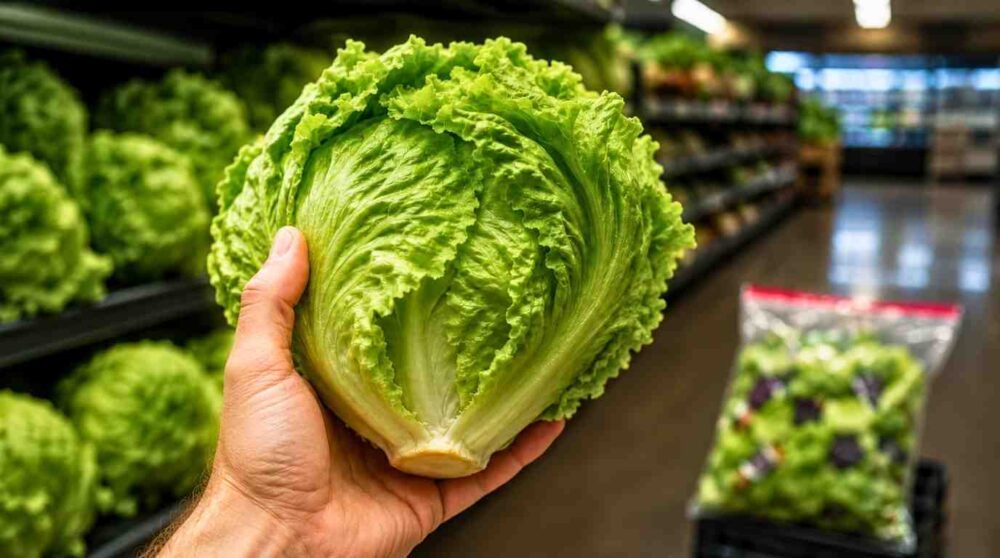
A family sits down to eat taco night, puts some chopped lettuce from a bag in the fridge, and doesn’t think about it any further. Weeks later, one of them developed diarrhea so severe and sudden that doctors began frankly calling it “explosive.” This is the pattern happening in many US states right now, and health officials say it’s already the worst year ever for this particular parasite.
What is happening
Cases of cyclosporiasis – an intestinal disease caused by a parasite Cyclospora caitanensis – surpassed the previous US record of about 4,700, set in 2019, with more than 30 states reporting cases so far this year. Michigan alone has recorded more than 3,300 cases, and federal officials say outbreaks in Michigan, Ohio, Kentucky and West Virginia appear to be linked. Michigan typically sees only 40 to 50 cases a year; This year’s total in that state alone is more than 50 times the normal rate.
Key takeaways
- Cyclosporiasis cases in the United States have already surpassed 2019’s record, with Michigan reporting more than 50 times the usual annual number of cases.
- Michigan health officials say lettuce and salad greens are a possible source, based on interviews with more than 1,000 patients, though no specific grower or producer has been confirmed.
- The parasite causes watery, sometimes explosive diarrhea, and is spread through food or water contaminated with feces — not person-to-person contact.
- Buying whole heads of lettuce rather than pre-packaged or mixed salad, and discarding the outer leaves, are currently recommended precautions.
- This is one of many foodborne parasites tracked globally – a separate WHO report estimates that they cause the loss of approximately 5 million years of healthy life worldwide each year.
Why does lettuce keep showing up in these outbreaks?
The Michigan investigation, based on interviews with more than 1,000 sick patients, continues to show lettuce as a common theme — though officials are careful to say there is no specific variety, grower or supplier, and other foods have not been ruled out. Pre-packaged, pre-washed salads are a frequent cause of such outbreaks, partly because they are eaten raw and partly because there are multiple points in the supply chain — growing, washing, packaging and distribution — where contamination can sneak in. “Washed and ready to eat” on the label does not mean it is free of pathogens; Health officials still recommend washing it yourself. Cyclospora outbreaks in North America have also been traced in the past to fresh basil, cilantro, berries, snow peas and green onions, so caution extends a bit beyond just lettuce.
What to actually do about it
The health department’s current guidelines are fairly simple: Buy whole heads of lettuce rather than bagged salad or pre-mixed bunches, discard the outer two or three leaves before using, and wash the produce well under running water. Cooking kills the parasite entirely, so the risk is limited to things eaten raw. If you or a loved one has had sudden, watery, or unusually frequent diarrhea after eating salad or fresh vegetables in the affected area in the past few weeks, it’s a good idea to tell your doctor and specifically request a Cyclospora test — standard stool tests don’t always detect it, because the parasite isn’t constantly excreted.
The bigger picture
Cyclospora is one of several parasites that spread through food, and a separate report from the World Health Organization, published in The scalpelIt is estimated that foodborne parasites caused approximately 4.9 million years of healthy life lost globally in 2021. The pork tapeworm has the greatest health burden of any parasite measured, followed by liver flukes, which are common in parts of Asia, and Toxoplasma gondiifamous for its association with cat litter. None of this changes what to do about the current outbreak, but it is a reminder that thorough washing, proper cooking and basic hygiene around food handling are important beyond just this outbreak.
Sources: Michigan Department of Health and Human Services, Outbreak Updates (July 2026); Lake, R. J. et al. (2026). Global burden of foodborne parasitic diseases, 2021 The scalpel.

