
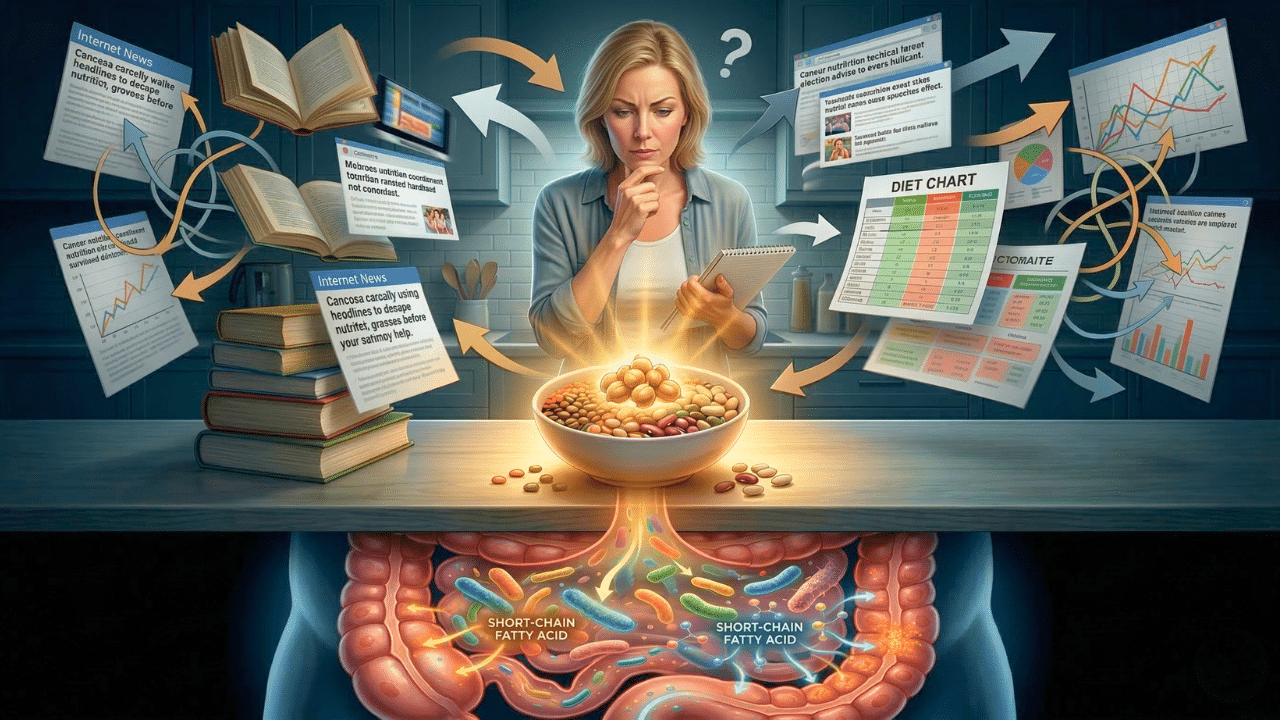


If you are a cancer survivor, you have probably been bombarded with information. It’s everywhere, with claims that broccoli sprouts can cure cancer, or that celery juice stops it, or even that fasting is the ultimate solution. It’s confusing, it’s overwhelming, and honestly, I’ve been through enough already. You don’t need more fear-mongering or clickbait; You need clarity, confidence and a clear path forward.
I’m here to give you that. As a cancer researcher and cancer survivor, I’ve dedicated my career to sifting through the noise to find what really works. The truth is, when you look at the overwhelming evidence, there are three specific food groups that have been clearly and consistently linked to reducing the risk of cancer recurrence and helping your body heal. In this article, I’ll show you exactly what these three foods are and, more importantly, how you can easily incorporate them into your life to get cancer-free and stay cancer-free. (Based on the insight of cancer recovery expert Dr. Amy Morris)
Key takeaways
- Beans and legumes: This fiber powerhouse is essential for a healthy gut microbiome, which directly impacts your immune system, inflammation levels, and hormone balance.
- Leafy greens: Packed with antioxidants, vitamins, and minerals like magnesium, these vegetables help protect your cells, support detoxification, and aid in important DNA repair after treatment.
- Lean protein: Essential for rebuilding muscle mass lost during treatment, supporting your immune function, and regulating blood sugar and hormone levels to keep you strong and energetic.
1. Beans and legumes: the basis of gut health and hormonal balance
First up are the humble and powerful beans and legumes. These foods are real heroes in the fight for your health after cancer. They’re full of plant-based protein, loaded with beneficial phytochemicals, and most importantly, they’re an incredible source of fiber. Fiber is one of the most underappreciated but essential tools for reducing the risk of cancer recurrence.
So, why is fiber so important? It all starts in your gut. Your digestive tract is home to trillions of bacteria, collectively known as the gut microbiome. After treatments such as chemotherapy, this delicate ecosystem is often disrupted. Fiber is the favorite food for beneficial bacteria in your gut. When you eat a high-fiber diet, you promote a healthy and diverse microbiome. These good bacteria, in turn, produce compounds called short-chain fatty acids (SCFAs), which have a direct effect on reducing inflammation throughout your body, regulating your immune function, and improving hormone metabolism. A healthy gut is the cornerstone of a healthy body.
Research conducted by the American Institute for Cancer Research has shown this People who consume higher amounts of fiber have a lower risk of developing colorectal cancer and breast cancer. One reason for this is that fiber can actually bind to excess estrogen circulating in the digestive tract, helping to remove it from the body. This is especially important if you have a hormone-sensitive cancer, such as ER-positive cancer breast cancer Or endometrial cancer. In addition to fiber, beans and legumes also contain resistant starches and flavonoids, known for their anti-inflammatory and even tumor-suppressing properties. Including lentils, chickpeas, black beans, and kidney beans in your diet is more than just a healthy option; It is an effective step to help your body stay cancer-free.
I once supported a woman in my program who was recovering from breast cancer. She suffered from constant fatigue and weight gain after treatment. Her doctor had told her to “eat whatever you want,” but she knew that wasn’t the right advice for her body. We made a simple change together: We added lentils to our lunchtime salad and a scoop of black beans to our evening soup. This simple change alone helped her meet her daily fiber goals. In just a few weeks, her digestion improved dramatically, her energy levels soared, and she was finally able to lose the stubborn weight she had been holding on to since her treatment ended. This is not just a trend. It is an essential strategy for recovery.
2. Leafy Greens: Your cellular bodyguards for detoxification and repair
Next on our list are leafy greens. Think of spinach, kale, arugula, Swiss chard, and romaine lettuce as some of the most nutrient-dense foods on the planet. They play a direct and vital role in protecting your cells from damage and helping your body heal after the rigors of cancer treatment. These vegetables are rich in vitamins A, C, and K, as well as folic acid, but their real power lies in their high concentration of antioxidants and phytochemicals.
These compounds act as a cleaning crew for your body, helping to repair damaged cells and flush out harmful toxins. One of the most powerful compounds found in leafy green vegetables is chlorophyll, the pigment that gives them their vibrant green color. Chlorophyll can bind to toxins and potential carcinogens in the body, helping to eliminate them. If you undergo chemotherapy and radiation, the body’s natural detoxification pathways, especially in the liver, may be slow. Leafy greens provide the nutritional support the liver needs to eliminate treatment metabolites and function optimally.
Here’s something most cancer survivors don’t realize: leafy greens are an excellent source, too magnesium. Why does this matter? Magnesium plays a critical role in more than 300 enzymatic reactions in the body, including DNA repair. After effective treatment, your body deals with a significant amount of DNA damage. Getting enough magnesium is essential to support the natural healing and repair processes of your cells. When I was diagnosed with stage 3 cancer, I was completely devastated. Even with my background in oncology, I underestimated how overwhelmed I felt. One of the first changes I made to support my recovery was adding leafy greens to every meal. This doesn’t mean you have to eat boring salads all day. You can saute spinach into your morning eggs, blend kale into a smoothie, layer arugula on a sandwich, or — my personal favorite — add Swiss chard to a hearty lentil stew. It’s not about restrictions. It’s about providing your body with what it needs to heal.
Furthermore, a study from the Journal of Nutrition found that women who ate higher amounts of leafy vegetables had fewer markers of inflammation in the blood. Since chronic inflammation is a major driver of cancer recurrence, this is a huge benefit. Leafy greens, beans, and legumes may not be flashy, but they are some of the most accessible and effective cancer-fighting tools you have in your arsenal.
3. Lean protein: The building blocks of strength and recovery
Finally, let’s talk about lean protein, a nutrient often overlooked in the conversation about cancer recovery. Protein is absolutely essential. It helps you rebuild muscle mass, supports strong immune function, and plays a vital role in regulating your hormone levels. Many women lose a significant amount of lean muscle mass during and after cancer treatment, a condition that can leave you feeling weak, tired, and more likely to gain weight. The good news is that getting enough high-quality protein can reverse this.
Lean protein sources include foods such as chicken, turkey, white fish, eggs, Greek yogurt, tofu, and tempeh. These foods are rich in amino acids, which are the building blocks your body uses to repair muscle tissue, organs and cells. When I was going through chemotherapy, my appetite was at an all-time low, and my taste buds were completely off. But I knew I needed protein to maintain my strength. I started small, adding a scoop of protein powder to my morning smoothie. Then I made sure to include grilled chicken in lunch and fish or tofu in dinner. It wasn’t always perfect, but it worked. Research consistently shows that cancer survivors who meet their daily protein requirements have better energy levels, fewer treatment side effects, and a significantly lower risk of cancer recurrence.
Protein also helps regulate blood sugar, which is critical because many women experience metabolic changes after cancer. I see a common pattern with clients who tell me they transitioned to veganism or vegetarianism after their diagnosis. Although well intentioned, they often don’t get enough protein. They eat lots of fruits and grains but very little protein-rich legumes, tofu or tempeh. This leads to muscle loss, fatigue, and extreme frustration. One client I worked with had cut meat but was tired all the time. A detailed review of her nutrition revealed she was eating less than 40g of protein a day, less than half of what her body needed. We worked together to bring back protein-rich plants like edamame, tempeh and lentils, bringing their intake to about 90 grams per day. Within a month, she was able to start strength training again, her energy was back, and she no longer needed daily naps. And she was living her life again. Protein is important, especially lean, minimally processed protein.
Your way forward: building yourself

Eating to fight cancer and support your recovery doesn’t mean you have to stop everything and live a restricted life. On the contrary, it means intentionally and intentionally adding foods that will build you back up. Beans and legumes support hormone and intestinal metabolism. Leafy greens nourish your cells and help eliminate toxins. Lean protein gives your body the building blocks it needs to heal and grow strong. These three food groups are not optional for cancer survivors; They are necessary. Start today by finding small ways to add more of it to your plate, and you’ll take a powerful step toward a healthier, cancer-free future.
source: Dr. Amy Morris

