


The free guide offers readers vision rehabilitation services, daily living strategies, emotional support resources, technology tools, and more. It is designed to help people better understand their options and take meaningful first steps toward living independently with vision loss.
What does the guide include and what does it cover?
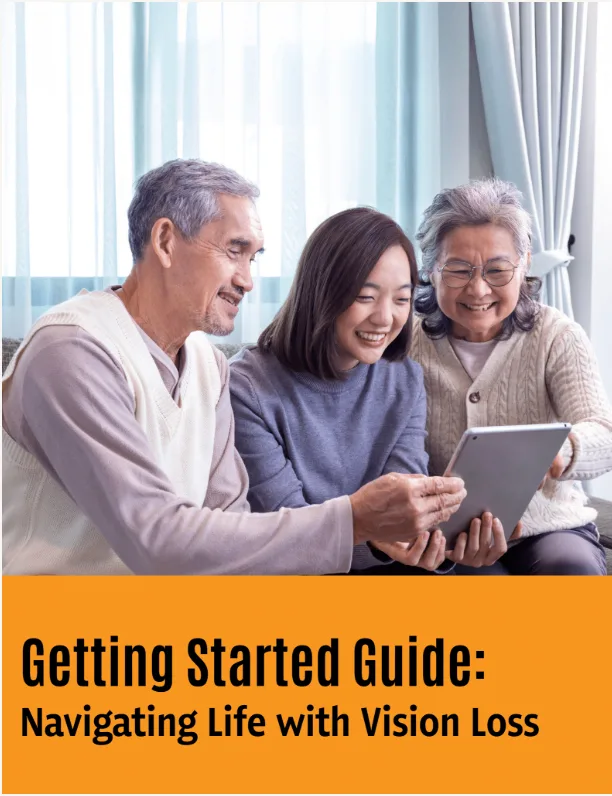
The guide provides practical tips for living with vision loss and introduces readers to the importance of vision rehabilitation programs. These services can help people build skills, increase confidence and maintain independence in everyday life. Often people don’t know about them. In fact, one vision rehabilitation therapist said he was told several times: “You people are my best kept secret.”
“Sight Rehabilitation Week celebrates the tremendous benefits of vision rehabilitation services for people with blindness and low vision,” according to Lee Nassihi, President and CEO of the VisionServe Alliance.
Topics covered in the guide include:
Understanding vision loss
Explains low vision, legal blindness, and common eye conditions while emphasizing that each person’s experience with vision loss is unique.
Emotional adjustment and well-being
Discusses the emotional impact of vision changes and highlights the value of counselling, peer support, and community outreach.
Support from family, friends and professionals
Provides guidance to loved ones and professionals on providing respectful and empowering support, including communication tips and human guide techniques.
Visual rehabilitation services
Offers the types of services available, including low vision care, orientation and mobility training, assistive technology, and daily living instruction.
Basic principles of daily life
Explains practical strategies such as lighting, contrast, labeling, and organization that can make everyday tasks easier and safer.
Home, kitchen and personal care skills
Shares techniques for cooking, home management, personal care, and creating a safer home environment.
Reading, writing and information management
Covers low-tech and high-tech communication tools including Zoom, Braille, audiobooks, text-to-speech tools, and writing aids.
Useful technology and tools
Offers accessible technology options ranging from simple devices to accessibility features built into smartphones and digital assistants.
Entertainment and entertainment
Encourages readers to stay connected with hobbies, sports, arts, reading, and other fun activities.
Independent travel and mobility
Discusses transportation options, orientation and mobility training, and strategies for traveling safely and independently.
Living with vision and hearing loss
Provides information for people with dual sensory loss, including communication strategies, environmental adaptation and specialist resources.
Additional resources
Includes links to organizations, support services, vision rehabilitation agencies, employment resources, and APH ConnectCenter programs.
Accessible formats and availability
The longer version of the guide, “Getting Started: Top Five Tips for Coping with Vision Loss,” is available online. The Five Shorter Tips Guide is available online and in print. Both resources are offered in English and Spanish.
Audio versions will be released soon, and printed copies of the shorter guide are also available via email (email protected).
The preparation and translation of the guide was made possible by the generosity of the Allen Royce Memorial Fund.
Why is vision rehabilitation important?
Vision rehabilitation services help people adapt to changes in vision, learn new skills, and continue participating in the activities that interest them most. These services can support greater independence, confidence and quality of life.
Take the first step
During Vision Rehabilitation Week, explore our updated Getting Started Guide and discover resources designed to support people who are blind or have low vision.
Download the guideLearn more about vision rehabilitation services, and locate agencies and support programs in your area.

