
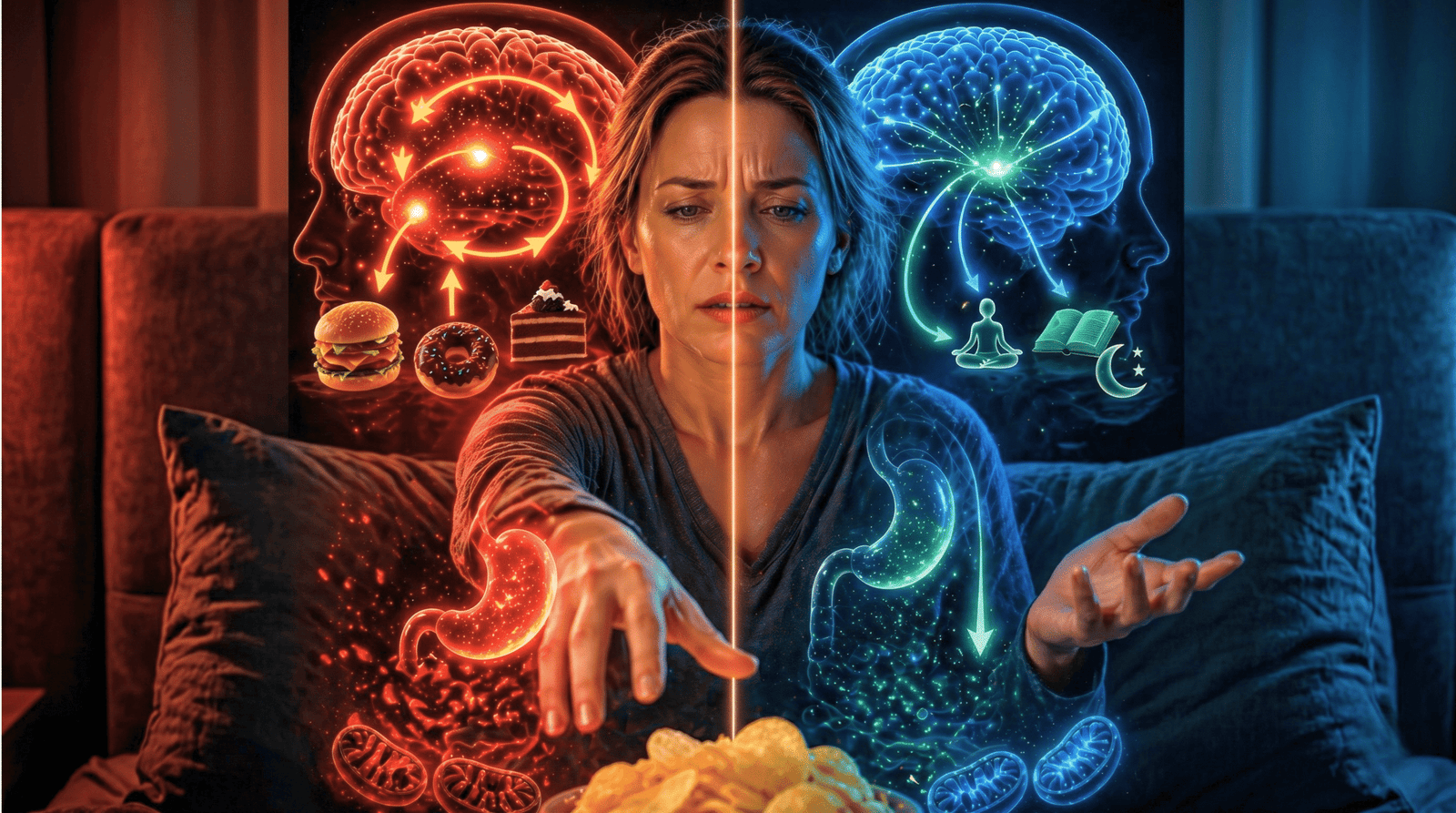


Did you know that when you eat after 6:00 p.m., you may be turning off your body’s most important repair system? Many of us are incredibly focused on What We eat – we choose clean, healthy, whole foods and avoid sugar. But what if I told you that? when Could eating be just as important, if not more so? You can have the perfect diet and still unintentionally disrupt your metabolism every night. This is because food is not just fuel; It’s a powerful timing signal to your body. Every time you eat, you send a message. During the day, that message is “Stay Alert!” Energy storage! But at night, you want to send a completely different signal: “It’s time to rest, repair and rejuvenate.” Eating late at night sends the wrong message at the wrong time, and can have a series of negative effects on your health.
Key takeaways
- Autophagy activation: It stimulates the body’s cellular cleansing process, which fights aging and inflammation.
- Improves sleep: It protects the production of melatonin, the hormone that helps you fall asleep and stay asleep.
- Soothes digestion: Reduces bloating, acid reflux and feeling groggy in the morning.
- Balances hormones: It lowers cortisol levels at night, which helps regulate stress and blood sugar.
- Breaks the cycles of desire: Helps you overcome “dopamine hunger” and regain control of late night snacking.
1. You are unleashing your body’s deep cleaning crew (autophagy)
At night, your body is supposed to go into a powerful state called Autophagy. Think of it as a deep cleansing and recycling program for your body. During autophagy, your cells identify and remove old, damaged components, such as defective mitochondria. This is very important because damaged mitochondria are the root cause of almost all chronic diseases. When you’re in the autophagy phase, your body actively works to reduce inflammation, remove cellular debris that can lead to disease, and essentially slow down the aging process. The key that turns on this amazing process is a hormone you’ve probably heard of: insulin. Autophagy can only be fully activated when insulin levels are very low. The problem? Every time you eat — no matter how healthy the food is — you raise your insulin levels. So, when you snack late at night, you’re effectively telling your body’s cleanup crew to go out for the night. By stopping eating at 6 p.m., you give your body a long, uninterrupted window for insulin to drop, allowing autophagy to get to work repairing you from the inside out.
2. You are protecting your precious sleep
Have you ever had trouble sleeping or find yourself staying up all night? Your late-night eating habits may be the culprit. Your body produces a hormone called Melatonin To help you feel tired and ready for sleep. It is an essential part of the natural sleep-wake cycle. However, the process of eating and digesting food sends signals that it is still “daytime,” which can suppress melatonin production. When you eat a meal or even a small snack too close to bedtime, you create conflict within your body. Your brain is trying to prepare for sleep, but your digestive system is just getting started. This hormonal confusion can severely hamper your ability to fall asleep and stay asleep. By creating a food-free buffer zone before bed, you allow melatonin levels to rise naturally, paving the way for deeper, more restorative sleep.
3. You’re giving your digestive system the rest it deserves
If you frequently go to bed feeling bloated, gassy, or suffer from acid reflux, late-night eating is likely a suspect. For years, I have personally experienced this. I ate constantly from dinner until the moment I went to bed, and it was a non-stop feast. The result? I was always bloated and suffered from Acid refluxAnd I woke up every morning feeling exhausted, tired, and terrible. Your digestive system is not designed to work overtime while lying down. Gravity helps keep stomach acid in place, but when you’re in a horizontal position, it’s much easier for that acid to back up into your esophagus, causing a familiar burning sensation. Furthermore, digesting food is an active process that raises the body’s core temperature, which is the opposite of what should happen while preparing for sleep. Giving your body several hours to digest before lying down allows your system to complete its work, prevents discomfort and ensures you wake up feeling refreshed and light, not heavy and sluggish.
4. You can rebalance stress hormones and blood sugar
The stress hormone cortisol has a normal circadian rhythm. It should reach its highest level in the morning to help you wake up and feel alert, and it should gradually decrease throughout the day, reaching its lowest level around 2 a.m. Eating late at night completely disrupts this rhythm. It causes a spike in cortisol when it is at its lowest levels. Increased cortisol during the night puts your body in a state of stress, making it difficult to relax and sleep deeply. But the effects don’t stop there. This hormonal disturbance continues into the next day. High cortisol at night It can mess with blood sugar regulation, leading to fatigue in the morning followed by cravings for sugar and carbohydrates throughout the day. You may find yourself with extreme blood sugar swings, experiencing energy crashes and searching for another snack to recharge. When I work with people who have blood sugar problems, one of the first questions I ask is: “What did you eat last night, and when?” Most often, eating after 6pm is a major part of the problem.
5. You overcome “dopamine hunger”
Let’s be honest: When you reach for a snack at 10 p.m., are you really hungry? Is your stomach growling for a nutritious meal? Maybe not. Most late-night eating is not driven by physical hunger; It’s driven by what I call “dopamine hunger.” Dopamine is a neurotransmitter associated with pleasure and reward. Your brain releases them when you do something enjoyable, including eating delicious food. When you feel stressed, bored or tired after a long day, your brain looks for a quick and easy hit of dopamine. What makes that better than something sweet, salty, or crunchy? Notice that you don’t crave steak and eggs; You’re craving ice cream, potato chips, or cookies. This is a conditioned response, which is a habit formed to soothe the soul with food. The problem is that this cycle of dopamine-seeking behavior undermines your health goals, disrupts your hormones, and prevents your body from going into fat-burning and repair modes. Realizing that this is not real hunger is the first step to breaking the habit.
6. How to finally kick the habit of eating late at night
Knowing that you should stop is not enough; You need a practical plan. Breaking this habit is simpler than you think, and it’s all about changing your environment and routine.
- Kitchen survey: This is the hard rule. You should remove tempting snack foods from your home. If it’s not there, you can’t eat it. If you live with family members who don’t like to eat their snacks, this can cause friction. Place these foods in opaque containers on a high shelf or even in the garage. The more difficult it is to access, the less likely you are to eat it impulsively.
- “Kitchen closed” signal: Create a ritual that signals the end of your eating period. After your last meal, literally turn off the lights in the kitchen. You can also put a small sign on the refrigerator that says “Kitchen closed for the night.”
- Brush your teeth: Right after dinner, go brush and floss your teeth. The refreshing minty feeling makes you less likely to want to eat again and spoil it. It’s a simple but powerful psychological signal that you’re done for the day.
- Make food invisible: Out of sight, out of mind. Get rid of the candy dish on the counter or the bowl of nuts on the coffee table. Store all foods in the pantry or refrigerator. If you don’t see it, you’re unlikely to think about it.
- Avoid the “one bite” trap: Don’t negotiate with yourself. The “I’ll just take a small bite” mentality is a slippery slope. Even a small amount of food can spike your insulin and negate the benefits you’re trying to achieve. Commit to a clean food break after 6 p.m. You can still drink water, herbal tea, or sparkling water.
- Shop with a plan: Your success starts at the grocery store. Never go without a list. Stick to the perimeter of the store where whole foods are found — meat, fish, eggs, and vegetables. Avoid the middle lanes, which are designed with addictive junk foods designed to stimulate your dopamine response. Get in, get what you need, and get out.
conclusion
Stopping eating after 6 pm is one of the most powerful habits you can adopt for your health. It’s not about deprivation. It’s about timing. It’s about aligning your lifestyle with your body’s natural rhythms to get amazing benefits. By giving your body this nightly rest from digestion, you’re not only aiding sleep, digestion, and hormone balance, you’re activating a deep cellular repair process that can help you feel younger and more vibrant. Challenge yourself to try it. You may be surprised at how much better you feel.
source: Dr. Eric Berg

