
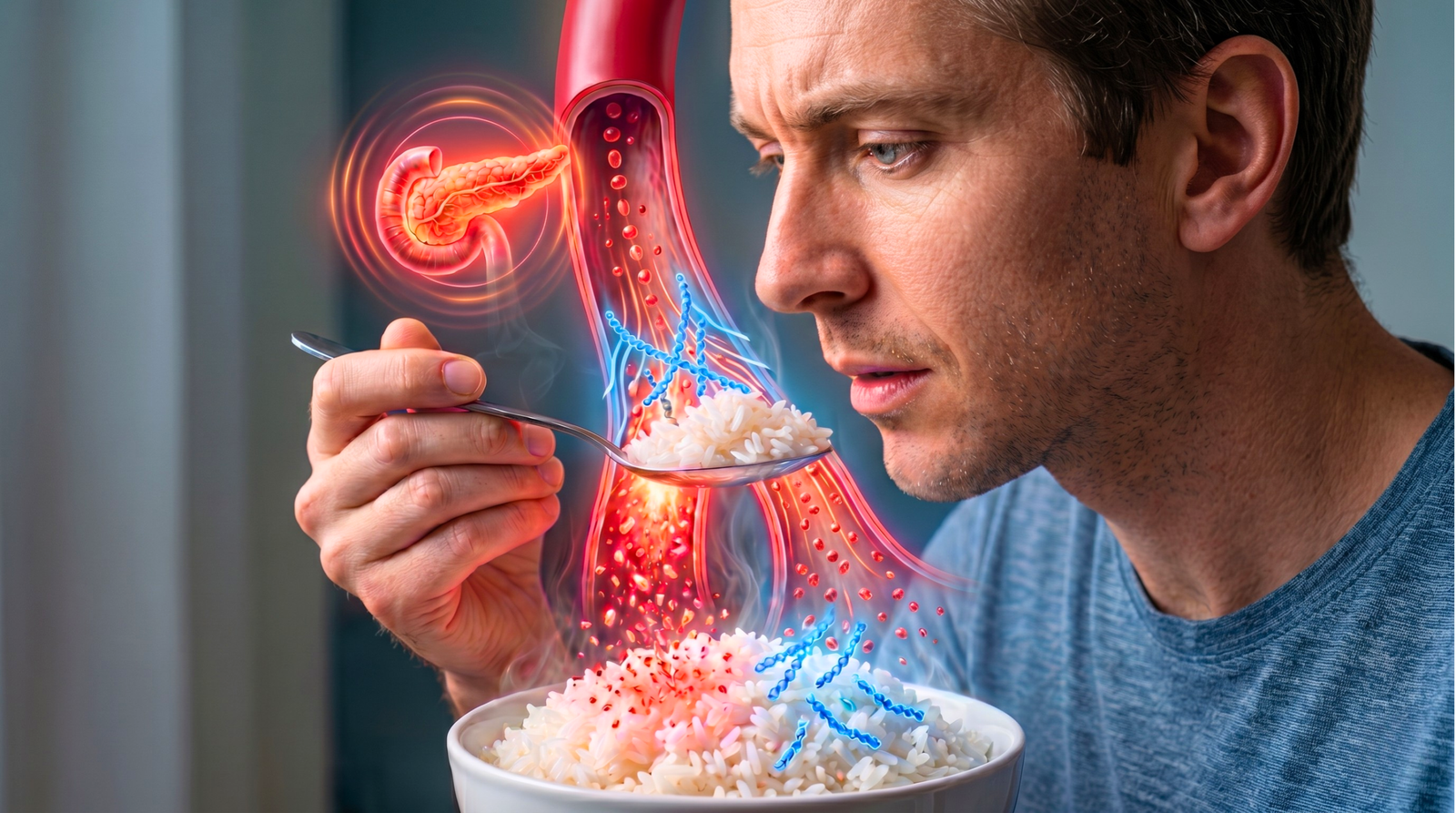

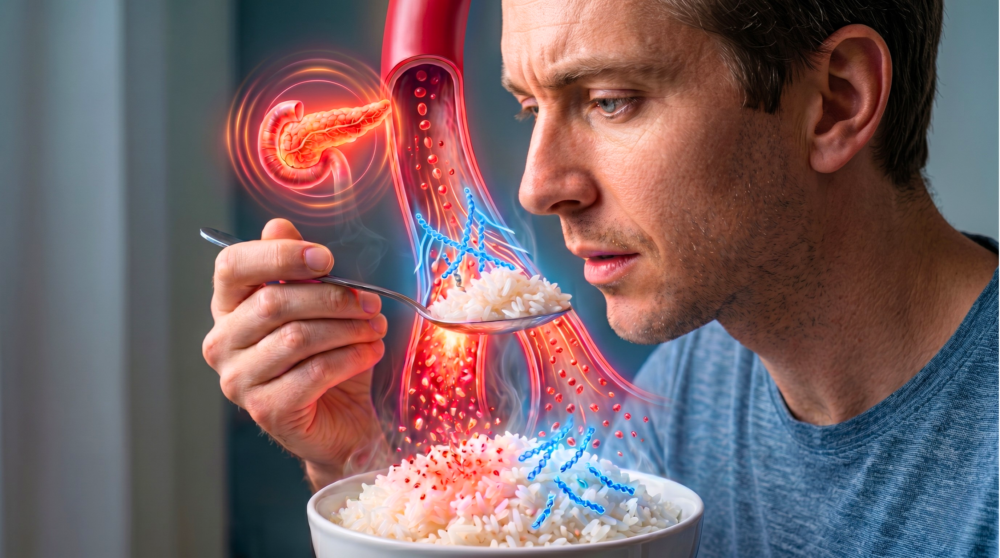
Who doesn’t love a comforting bowl of rice, a hearty bowl of pasta, or a side of warm, fluffy potatoes? For millions of people, these starchy foods are an everyday staple. But what if I told you there was a way to enjoy these same foods — in the same amounts you’re used to — while dramatically reducing the impact carbs have on your body? You may think it sounds too good to be true. You may assume that the only way to get fewer carbs is to eat smaller portions. But that’s not what I’m talking about. I’m talking about a simple kitchen trick, backed by science, that turns these common starches into a powerful tool for your health.
This is not about deprivation. It’s about transformation. Just by changing how you prepare and store these foods after cooking, you can fundamentally change their chemical composition. This change converts regular, easily digestible starch into what is called “resistant starch.” This new form of starch behaves completely differently inside your body. Instead of breaking down into glucose (sugar) and flooding your bloodstream, it travels through your system largely undigested, eventually becoming superfood for the beneficial bacteria that live in your gut. This simple change can lead to a series of positive effects, from better blood sugar control and reduced inflammation to a healthier gut and easier weight management. Let’s dive into how this amazing process works and how you can start using it today.
Key takeaways
- Cooling trick: Refrigerating cooked starchy foods such as rice, potatoes, and pasta in the refrigerator for at least 12 to 24 hours converts a portion of the digestible starches into indigestible “resistant starch.”
- Less carbs, same food: Because your body can’t convert resistant starch into sugar, you absorb fewer calories and carbohydrates from the same portion of food.
- The power of prebiotics: Resistant starch acts as a prebiotic, food for the good bacteria (probiotics) in the large intestine, helping them grow.
- Gut healing butters: When gut bacteria feed on resistant starch, they produce a short-chain fatty acid called butyrate, which is known to reduce inflammation, heal the intestinal lining, and protect the colon.
- Improve health signs: Regularly consuming resistant starch can lead to better insulin sensitivity, more stable blood sugar levels, reduced inflammation throughout the body, and support weight loss efforts.
1. The Magic of Dip: Converting ordinary starch into super starch
So, how does this transformation happen? The scientific term for it is “retro.” When you cook starchy foods like rice or potatoes, the heat and water cause the starch molecules to gelatinize, where they swell and it becomes easier for your body’s enzymes to break them down into glucose. This is why a bowl of hot, freshly cooked white rice can cause a rapid spike in blood sugar.
However, when you refrigerate these foods, the magic begins. As the temperature decreases, starch molecules begin to recrystallize and form a new, more compact structure. This process, retrogradation, creates resistant starch. These new crystalline structures are so tightly packed that digestive enzymes in the small intestine cannot enter to break them down. The longer you refrigerate food, and the colder the temperature, the more resistant starch will form. Refrigerating them overnight, for at least 12 hours, is a great starting point, but extending it to 24 hours or more can increase the amount of resistant starch even more.
2. A feast for your gut: How resistant starch becomes a prebiotic
Since your body lacks the enzymes needed to digest resistant starch in the stomach and small intestine, it makes the long, intact journey all the way to the colon (large intestine). While this may seem like a waste of time, it’s actually where the most profound benefits begin. Your colon is home to trillions of bacteria, collectively known as the gut microbiome. This internal ecosystem is crucial to your overall health, and like any living organism, it needs food to thrive.
This is where resistant starch shines. Acts as a powerful prebiotic. Think of prebiotics as fertilizer for your indoor garden. It’s what beneficial bacteria or probiotics like to eat. When resistant starch reaches your colon, these good bacteria throw a party. They start fermenting and breaking it down for their own energy. This process not only helps good organisms multiply and eliminate bad bacteria, but it also results in the production of incredibly beneficial compounds.
3. Learn about butyrate: the super-powerful compound your gut produces
As your Gut bacteria Resistant to fermentation, starch releases many beneficial compounds known as short-chain fatty acids (SCFAs). The most important and most studied is butyrate. Butyrate is a true superstar when it comes to your health. Its primary role is to serve as the main fuel source for the cells lining the colon, called colon cells.
By nourishing these cells, butyrate helps keep the intestinal lining strong and healthy, which is essential for preventing conditions such as “Leaky gut syndrome“, where toxins can move from your intestines into your bloodstream. A strong gut barrier is your first line of defense against systemic inflammation. Furthermore, research has shown that butyrate has protective effects within the colon and may play an important role in reducing the risk of colon cancer.
4. Beyond the gut: How resistant starch fights inflammation
The benefits of butyrate do not stop at the intestinal wall. This powerful SCFA can enter the bloodstream and travel throughout the body, producing powerful anti-inflammatory effects. If you suffer from chronic inflammation — whether it manifests itself as joint pain, skin problems, or digestive upset — increasing your butyrate production can be a game-changer.
Chronic inflammation It is the root cause of almost all modern diseases, from heart disease and diabetes to autoimmune diseases. By feeding your gut bacteria the proper fuel to produce more butyrate, you are essentially creating an internal anti-inflammatory drug. This can help calm an overactive immune response and return your body to a state of balance, promoting healing and overall well-being.
5. Balancing blood sugar in an easy way
One of the direct benefits of switching to resistant starch is its effect on blood sugar and insulin levels. When you eat a regular starchy meal, the rapid breakdown of carbohydrates into glucose causes your blood sugar to rise. for you Pancreas Then you have to work hard, pumping insulin to move that sugar from your blood to your cells. Over time, if your cells are constantly bombarded by insulin, they may become resistant to its message. This “insulin resistance” is a precursor to type 2 diabetes and metabolic syndrome.
Resistant starch bypasses this entire process. Since it does not break down into glucose in the first place, it does not cause a significant rise in blood sugar. This means that your pancreas does not need to go into overdrive. Your body needs less insulin, which helps your cells remain sensitive to its signals. Improving insulin sensitivity is one of the most important things you can do for your long-term metabolic health, and this simple cooling trick is an easy way to support that goal.
6. A surprising ally in your weight loss journey
If you’re trying to lose weight, you may think that rice and potatoes are off limits. However, in the form of resistant starch, they can actually help you. First, because you’re absorbing fewer calories from the same amount of food, you get a small but significant calorie deficit. Second, resistant starch, like other forms of fiber, adds bulk and helps you feel full longer, reducing the likelihood of overeating later.
Most importantly, by promoting a healthy gut microbiome, you support a healthy metabolism. An unhealthy gut, full of bad bacteria that feed on sugar, can contribute to inflammation and metabolic dysfunction that makes losing weight very difficult. By feeding good bacteria, you can create a gut environment that supports efficient energy use and hormonal balance, making your weight loss efforts more effective.
7. How to add resistant starch to your diet easily
Incorporating this into your life is simple. It just takes a little planning.
- rice: Cook a large amount of rice, let it cool, then store it in the refrigerator for at least 12 hours. You can eat it cold in salads or as a side dish. Interestingly, studies show that even if you reheat rice, a significant portion of the resistant starch remains.
- potato: Boil or bake the potatoes, then cool them completely. They’re perfect for making a healthy potato salad (use avocado oil mayonnaise or vinaigrette) or as a cold side dish.
- Pasta: Just like rice and potatoes, cook the pasta, drain it, and put it in the refrigerator. It’s the perfect base for a delicious and healthy pasta salad packed with veggies and a healthy protein source.
- bread: Even bread contains starch that can be converted. Although not as important as rice or potatoes, freezing bread and then toasting it can increase the resistant starch content.
Bottom line: simple change for profound health
Understanding the science behind resistant starch enables you to take back control of your favorite foods. There’s no need to be afraid of carbohydrates; You just have to be smart about them. Once you cook and cool starches, you can transform them from a potential metabolic problem into a powerful prebiotic that heals your gut, fights inflammation, balances blood sugar, and supports a healthy weight.
Of course, this is one tool in a larger health toolkit. It’s not a license to eat unlimited amounts, and it works best as part of a balanced diet rich in vegetables, healthy fats and high-quality proteins. But for anyone who loves carbs, this simple, science-backed trick is a great way to make your food work for you, not against you, and build a healthier body from the inside out.
source: Dr. Mandel

