Physical Address
304 North Cardinal St.
Dorchester Center, MA 02124
Physical Address
304 North Cardinal St.
Dorchester Center, MA 02124

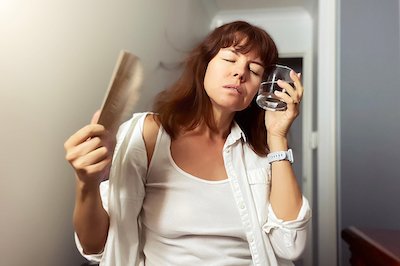
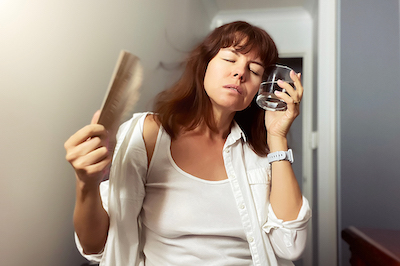 Reviewed by Dr. Richard Fox, MDMenopause is a fact of life for menstruating women. Unfortunately, this also means that there is a very high chance that these women will experience hot flashes. The question that often arises is, are there any reliable treatments for hot flashes? But first, we’ll take a look at how menopause affects the female body.
Nearly two-thirds of women experience hot flashes as they navigate their way through perimenopause: the time before menopause actually occurs.
During perimenopause, estrogen levels begin to decline as the body prepares for menopause, generally beginning in the 40s and ending at menopause when the ovaries stop releasing eggs. Menopause is confirmed after one year of no periods.
Symptoms such as hot flashes can last up to five years after the onset of menopause, leaving some to deal with this uncomfortable reality for more than a decade.
Why does this happen? While the mechanisms behind hot flashes (also called vasomotor symptoms) are not fully understood, they likely have something to do with low estrogen levels. Low estrogen can damage the nerve centers that regulate internal temperature.
Hot flashes are feelings of intense heat that originate from within the body. They can appear suddenly with varying intensity and duration. Symptoms usually last for about four minutes, but can last longer than 10 minutes.
Since menopause is inevitable and hot flashes are a very common symptom, you cannot completely eliminate its risks. However, there are lifestyle measures that can help you reduce the frequency and severity of symptoms.
There are also several things you can do to help silence hot flashes when they occur. Let’s examine nine treatments for hot flashes in detail.
Multiple studies have found that physical activity has the potential to significantly reduce the severity of menopausal symptoms, including hot flashes.
Comparative work has found that women who are more active experience much less severe symptoms, while those who are little active, or who do not exercise, experience more severe menopausal symptoms.
One study found that 60 minutes of regular exercise daily was associated with significant improvement in symptoms.
Other research has found that sitting less, losing weight, improving fitness levels, and reducing the waist-to-hip ratio are all beneficial ways to relieve menopausal symptoms.
You may have noticed that hot flashes occur under certain circumstances. Limiting your exposure to triggers may help reduce the severity and frequency of symptoms.
Common triggers include:
There is some evidence to suggest that certain nutrients may help reduce the severity and frequency of hot flashes. Some specific foods that may reduce hot flashes include:
A hot flash diet can also be an effective tool for losing weight, which may also play a role in menopausal symptoms.
This herbal supplement may be the most studied alternative treatment for menopause. It is made from the underground roots and stems of North American cohosh plants (Actea racemosaSeveral studies have found that it can be effective in relieving hot flashes.
On the other hand, there is also work suggesting that it has no benefits for menopausal women.
Black cohosh It is considered safe for most people to use, but people with liver problems should consult a doctor.
Experts have not agreed on a standard recommended dosage, so users should follow the instructions on the label. Make sure to buy from a reputable manufacturer, as herbal supplements are not regulated by the FDA.
red clover (Trifolium claim) is a source of natural plant estrogens, or phytoestrogens, and there is a lot of anecdotal evidence to suggest that it can help treat menopausal symptoms. However, there is currently no clear scientific evidence to support the use of the herb.
Since many women feel better after taking it, red clover may offer some benefits to you.
Extracts made from the flowering tops of legume plants can be purchased in tablet or capsule form. Red clover is also available as a tea.
Ask your doctor about dosages and whether this is the right treatment for your symptoms.
Traditional Chinese medicine has been around for a long time Dong Kai (Angelica sinensis) To treat gynecological diseases. But this does not necessarily confirm its effectiveness.
Research has not shown any benefits for reducing hot flashes; However, the results may relate to the preparation methods in the studies.
There are some risks to supplement with Dong KaiEspecially for women with fibroids or hemophilia. With your doctor’s approval, find a qualified Chinese medicine doctor for guidance on dosing and frequency.
Hot flashes can be another way stress manifests. Stress can increase body temperature, so keeping it under control may reduce the severity and duration of hot flashes.
Beneficial stress management activities that can relieve menopausal symptoms include:
One study found that eating licorice root (Glycyrrhiza glabra) for eight weeks reduce the severity and frequency of hot flashes. This perennial herb contains phytoestrogens, which may explain the study’s result.
The dosage protocol used was 330 milligrams (mg) taken three times daily for eight weeks.
Another herb that contains phytoestrogens is valerian root ((Valeriana officinalis). Multiple studies support its use in managing menopausal symptoms, especially hot flashes.
Taking 255 mg of valerian three times daily for eight weeks may reduce the frequency and severity of hot flashes.
Sometimes, it takes just a moment to extinguish hot flashes when they appear. Some ways to help subdue it quickly include:
Menopause is inevitable, so it’s important to be prepared to deal with its symptoms, including dreaded hot flashes. You can start preparing now to hopefully reduce symptoms if they appear.
Boosting your activity levels, adopting a nutrient-dense diet, and achieving a healthy weight can all help. When needed, some herbal remedies may also help relieve uncomfortable hot flashes.
Keep in mind that many herbal remedies are unproven and may come with some unique health risks. Talk to your doctor before trying to treat any menopausal symptoms with these products.
Article sources (+)


